
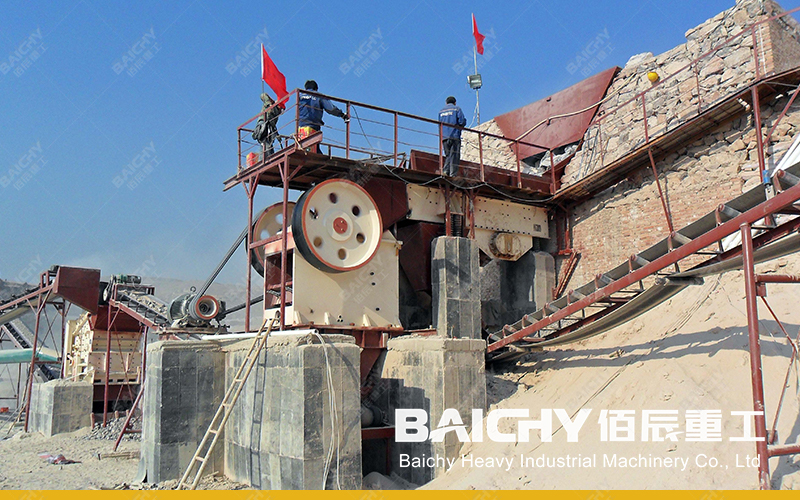
In the sand and gravel aggregate production sector, the configuration of the production line directly determines the project's return on investment and long-term operational benefits. With a capacity of 400 tons per hour becoming the mainstream standard for medium to large-scale projects, selecting a high-efficiency, reliable, and durable primary crushing equipment becomes paramount. Among numerous coarse crushing equipment, the jaw crusher, especially the 900x1200 model, has always held an unshakeable core position due to its classic structure and superior performance. This article will take you deeper into understanding how this meritorious piece of equipment becomes the solid foundation of a 400-ton/hour production line.

Stone Crusher Plant PDF,Download ↓↓↓
I. The 900x1200 Jaw Crusher with a 400-ton/hour Capacity
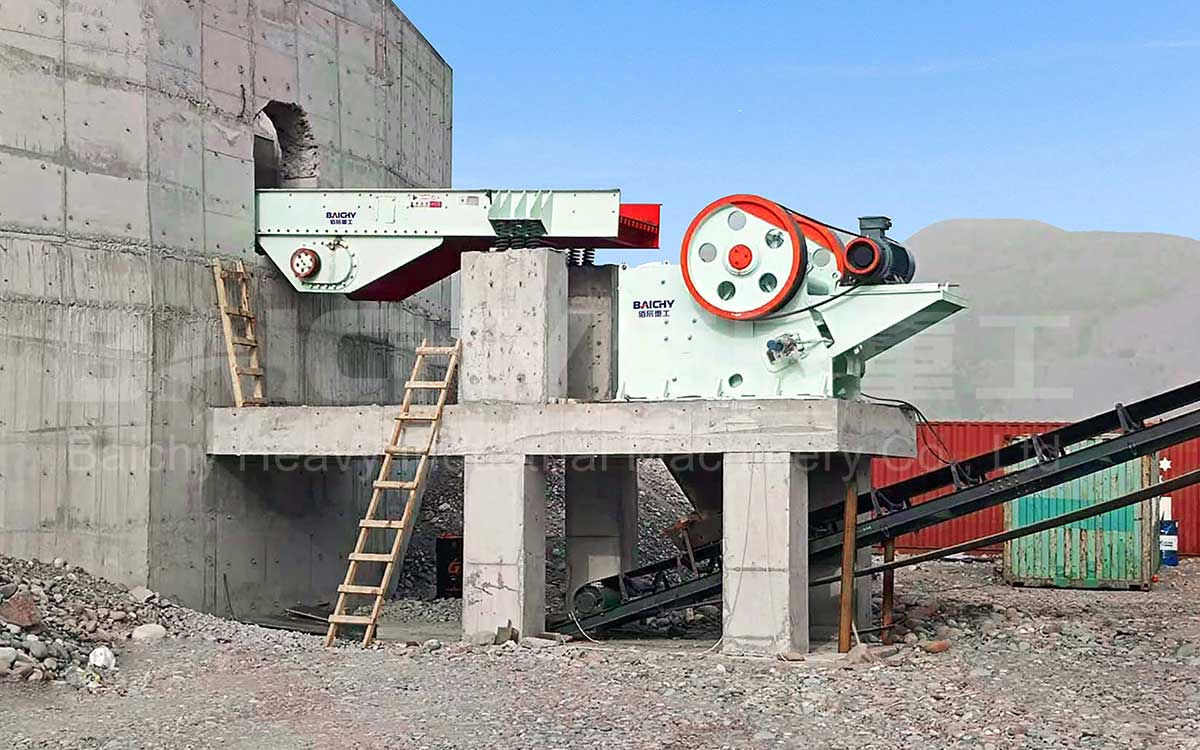
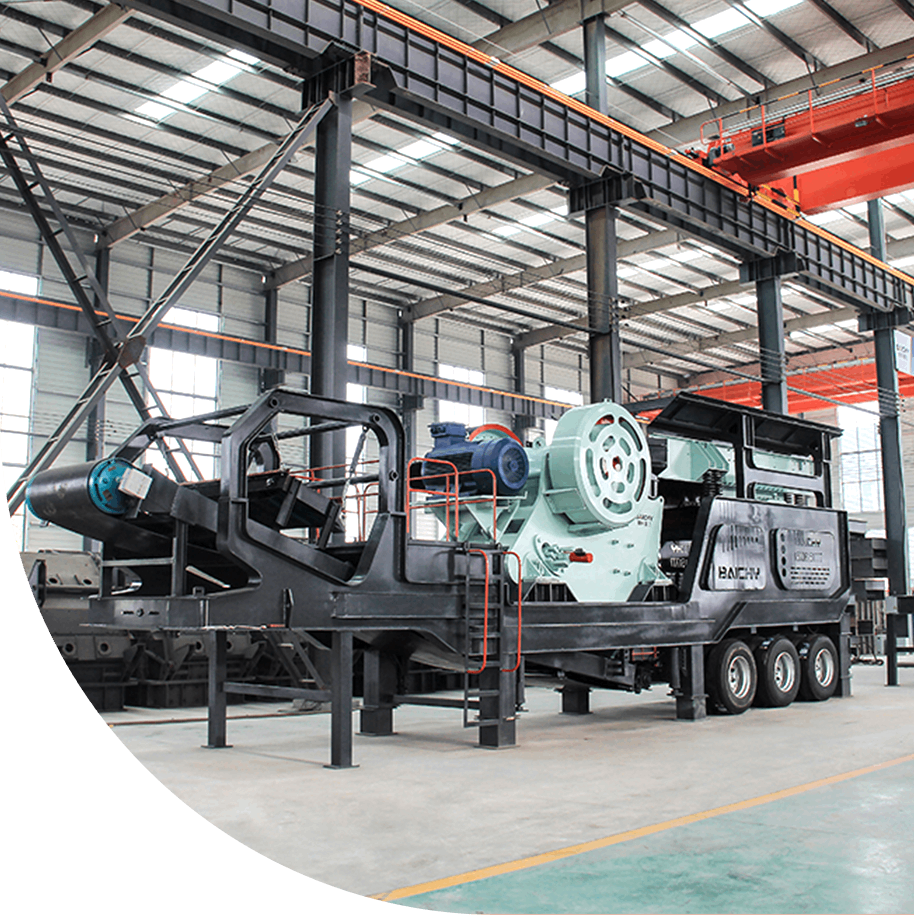
The model 900x1200 directly indicates the core parameter of this jaw crusher: the feed opening size is 900 mm × 1200 mm. This means it can easily handle large stones with a side length not exceeding 750 mm, such as granite, basalt, and river pebbles. Its theoretical discharge opening adjustment range is typically between 95-165mm, achievable by adjusting hydraulic wedges or shims, thus flexibly controlling the particle size of the product after primary crushing and providing ideal feeding conditions for subsequent medium crushing equipment.
It is this perfect combination of a large feed opening and reasonable crushing force that enables the 900x1200 jaw crusher to stably and efficiently achieve a processing capacity of 130-400 tons per hour (the specific output depends on the material hardness, moisture content, and final discharge particle size requirements), perfectly matching the design requirements of a 400-ton/hour production line. Like a giant jaw, it continuously swallows large pieces of raw material from the quarry, crushing them into smaller stones that are easier to process later, ensuring the smooth operation of the entire production line.
II. Why is it the first choice for medium and large-scale production lines?
1. Robust structure and extremely high reliability: The 900x1200 jaw crusher typically uses a high-quality cast steel body, with a heavy structure capable of withstanding enormous crushing forces and working loads. 1. High Crushing Efficiency and Low Operating Costs: Utilizing a precision-calculated and forged jaw assembly and eccentric shaft, the crusher boasts exceptional fatigue resistance and wear resistance, ensuring long-term stable operation under harsh conditions and effectively reducing the risk of unexpected downtime.
2. High Crushing Efficiency and Low Operating Costs: Employing a V-shaped deep-cavity crushing principle with a dead-zone-free design, it not only improves crushing efficiency but also significantly increases throughput. The high-manganese steel jaw plates offer strong wear resistance and a long service life, effectively reducing the frequency of replacement of vulnerable parts and overall operating costs. The optimized machine design also contributes to relatively economical energy consumption.
3. High Adaptability and Wide Application: Whether it's extremely hard granite and diabase or medium-hardness limestone and sandstone, the 900x1200 jaw crusher can handle it with ease. Its powerful crushing force is sufficient to undertake various demanding crushing tasks, making it a versatile piece of equipment for mining, quarrying, and aggregate processing.
4. Simple Maintenance and User-Friendly Operation: Modularly designed components make daily inspection and maintenance more convenient. The large bearing housing adopts an integral cast steel structure, ensuring high installation precision and a complete lubrication system, greatly simplifying the maintenance process. Modern models typically also integrate an intelligent control system, capable of real-time monitoring of operating parameters and providing fault warnings.
III. Core Role and Supporting Recommendations in a 400-ton-per-hour Production Line
In a complete stone crushing production line, the 900x1200 jaw crusher plays the role of the primary crushing pioneer. Its working condition directly affects the efficiency and stability of subsequent secondary crushing (such as cone crushers or impact crushers), screening, and conveying processes.
A typical 400-ton/hour granite crushing production line configuration might include:
• Primary crushing: PE-900×1200 jaw crusher
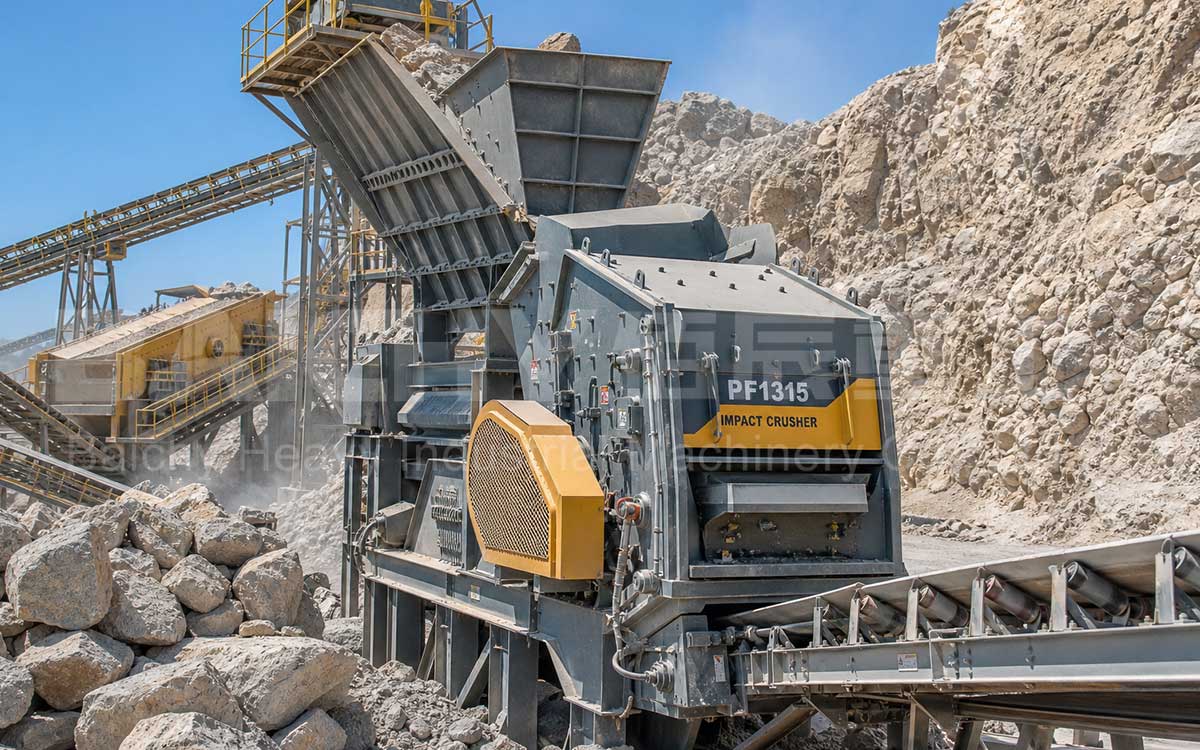
• Secondary crushing: PF315 or equivalent single-cylinder hydraulic cone crusher (for medium crushing)
• Tertiary crushing: Multi-cylinder hydraulic cone crusher or vertical shaft impact crusher (for fine crushing and sand making)
• Screening equipment: 2-3 multi-layer vibrating screens such as 3YK3070
In this configuration, the stable output of the 900x1200 jaw crusher ensures uniform feed particle size to the subsequent cone crushers, preventing cavity blockage or overload, thereby maximizing the overall production line capacity and finished product quality.
Choosing a high-performance 900x1200 jaw crusher is not only a technical decision to meet the 400-ton/hour capacity requirement, but also a strategic investment to ensure the long-term profitability of the project. Its robust structure, efficient crushing capacity, and low operating and maintenance costs have cemented its irreplaceable and classic position in the sand and gravel aggregate industry. Incorporating this reliable mother machine as a core component when planning your next large project is undoubtedly a key step towards success.