
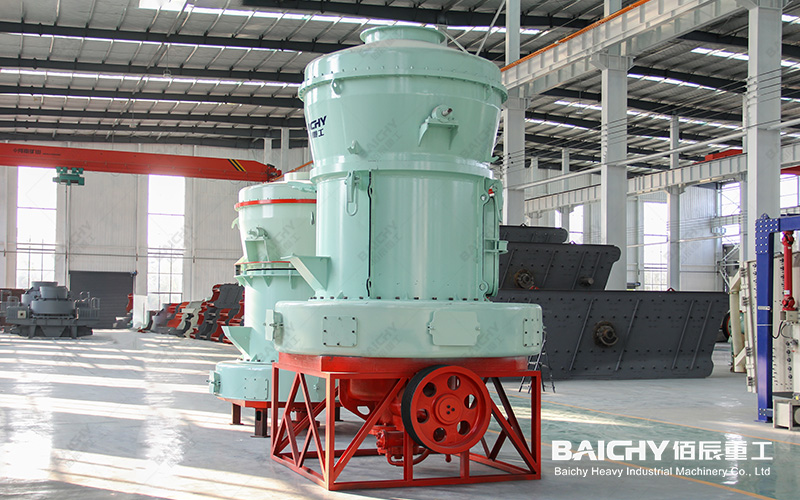
MTW European Trapezoidal Grinding Mill
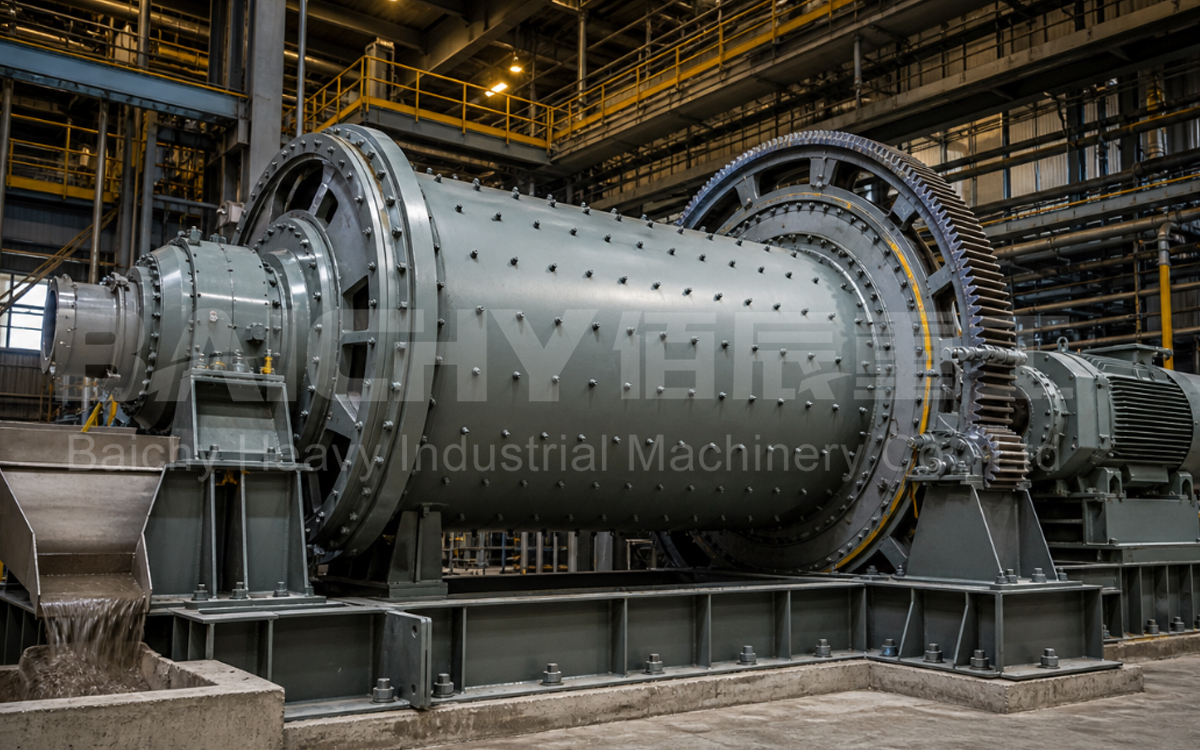
The MTW European-style Trapezium Mill is the most cost-effective ore grinding equipment for the 80–400 mesh range (with continuously adjustable D97 fineness). Rather than merely focusing on the ability to grind, it prioritizes stable operation and cost efficiency. Designed for ores and non-metallic minerals with a Mohs hardness below 7 and controllable moisture content, the European-style Trapezium Mill belongs to the same roller mill family as the traditional Raymond mill but features four key structural innovations—integral bevel gear transmission, centralized thin-oil lubrication, curved air ducts, and a built-in variable-frequency classifier. These improvements effectively address the three major shortcomings of Raymond mills during long-term operation: fineness drift, frequent downtime for maintenance, and high electricity consumption per ton. For processing plants where the powder itself is the final product—such as those producing ground calcium carbonate (GCC), desulfurization agents, or non-metallic minerals—this translates to simultaneous improvements in batch pass rates, continuous operation rates, and per-ton costs. This is precisely why the European-style Trapezium Mill has become the primary choice for upgrading from Raymond mills.
I. Structural Overview: What defines the "Trapezium" design?
To understand the MTW mill, one must first look at the equipment it is designed to replace. Traditional Raymond mills rely on a spring-loaded suspended shaft structure to press grinding rollers against the grinding ring; as wear occurs, pressure drops and product fineness coarsens, necessitating downtime for pressure readjustment. Additionally, grease lubrication often leads to uncontrolled temperature rises during continuous production, and external impeller classifiers offer limited classification precision. In powder processing plants characterized by 20-hour daily production schedules and batch-based quality acceptance, each of these shortcomings translates into financial loss.
The European-style Trapezium Mill incorporates four targeted structural innovations:
1. Integral Bevel Gear Transmission: Fineness remains stable despite wear
The gearbox is directly connected to the main shaft via bevel gears, eliminating the wear-prone suspended pressurization structure. There is no need for repeated pressure adjustments as the grinding rollers wear, ensuring a stable product fineness curve. For desulfurization powders and filler powders evaluated based on sieve residue and D97 values, this stability directly ensures a high product pass rate.
2. Centralized Thin-Oil Lubrication: Continuous Operation Without Maintenance Interruptions
The main shaft bearings and grinding roller assemblies are connected to a thin-oil station for forced circulation lubrication; oil temperature and pressure are monitored online, with automatic alarms for limit violations. Maintenance shifts from emergency downtime repairs to scheduled servicing, making 24-hour production schedules feasible.
3. Arc-Shaped Air Duct & VFD-Controlled Turbine Classifier: Instant Fineness Adjustment & Batch Consistency
The arc-shaped air duct increases air intake area and reduces airflow resistance, ensuring stable airflow and, consequently, stable classification. The classifier features a built-in variable frequency drive (VFD), allowing online adjustment between 80 and 400 mesh; switching from grinding 250-mesh desulfurization powder in the morning to 200-mesh construction material powder in the afternoon can be done simply via the control panel.
4. Multi-Layer Trapezoidal Grinding Surfaces: Minimizing Wasted Effort for Energy Efficiency
This is the origin of the "Trapezoidal Mill" name: the grinding rollers and rings feature multi-stage trapezoidal working surfaces. After being crushed, material naturally rolls to the next stage, forming a stepped material layer for progressive grinding. The material layer remains thin and uniform, reducing over-grinding—finished powder exits the mill quickly, thereby lowering the specific energy consumption (kWh per ton) of the main unit.
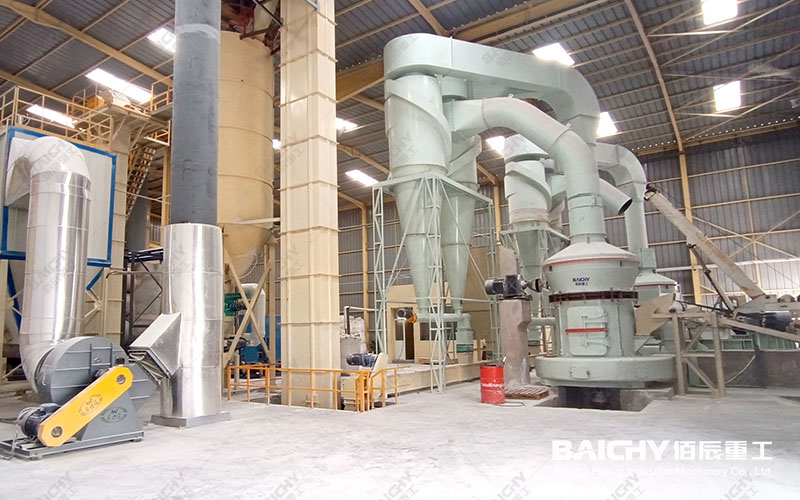
Ore Grinding Equipment
II. Suitable Materials: Operational Limits Matter More Than Model Numbers
The operational scope of the European Trapezoidal Mill is clearly defined; please verify suitability before selecting a model:
• Suitable Materials: Calcite, limestone, marble, dolomite, gypsum, barite, bentonite, kaolin, talc, potash feldspar, wollastonite, fluorite, bauxite, phosphate rock, bituminous/anthracite coal, activated carbon, etc. Applications cover calcium carbonate, non-metallic minerals, chemicals, and pulverized coal processing.
• Hardness Limits: Material Mohs hardness ≤ 7; must be non-flammable and non-explosive. High-hardness materials like quartz sand and corundum fall outside the MTW mill's economic grinding range; forcing them into the mill will rapidly deplete the service life of the grinding rollers and rings.
• Moisture Limits: Feed moisture content should be controlled within 5%. High-moisture feed causes the grinding rollers to gum up and the classifier to clog; during the rainy season, raw ore must be dried or blended with dry material before processing.
• Impurity limits: Associated quartz and metal fragments accelerate wear and reduce whiteness. Installing an iron remover and a screening system to limit the feed size to ≤35 mm is the most cost-effective investment for extending the mill's service life.
In summary: process medium-soft minerals, feed dry material, and prioritize impurity removal—meeting all three conditions allows the MTW series to deliver stable output and energy efficiency.
III. Core Parameters: MTW Series Typical Specifications
The table below outlines the typical parameter ranges for the Baichy MTW European-style Trapezium Mill series when processing common medium-soft minerals (based on a 200-mesh product). Actual production capacity varies depending on product fineness, feed moisture content, and impurity levels; final contract terms are subject to the technical specifications of the specific model.
| Parameter/Dimension | MTW Series Typical Range | Significance for Milling Operations |
|---|---|---|
| Finished Product Fineness | 80–400 mesh (D97 continuously adjustable) | Covers coarse to medium-fine powder in a single unit; flexible grade switching |
| Single-Unit Capacity | Approx. 3–20 t/h (at 200 mesh; varies by model) | Achieves target output with a single unit; reduces need for parallel machine setups |
| Feed Particle Size | ≤ 35 mm (requires jaw or roll crusher pre-crushing) | Compatible with standard crushed feed sizes; protects grinding rollers and rings |
| Feed Moisture Content | ≤ 5% (requires pre-drying or dry material blending if exceeded) | Prevents mill clogging and classifier blockage; ensures continuous operation |
| Material Hardness | Mohs ≤ 7; non-flammable and non-explosive | Suitable for calcium carbonate and most non-metallic minerals |
| Main Motor Power | 90–400 kW (varies by model) | High-power range supports continuous, high-volume production lines |
| Drive Mechanism | Integrated bevel gear drive | Fineness remains stable despite roller wear; consistent batch quality |
| Lubrication Method | Centralized forced-circulation thin-oil system | Monitors oil temperature and pressure; supports 24-hour continuous operation |
| Classification System | Built-in variable-frequency turbine classifier | Online fineness adjustment; stable D97 values across batches |
| Dust Collection Loop | Cyclone collector + pulse-jet bag filter | Negative-pressure operation; recovers fine powder and ensures emissions compliance |
Note: The MTW series is an upgraded replacement for traditional Raymond mills, offering lower specific power consumption and reduced maintenance hours for the same fineness (exact figures depend on material testing). Baichy provides free material grinding tests and issues equipment selection reports based on the results.
IV. Application Scenarios: Industries Utilizing MTW Milling Machines
| Application Scenario | Target Fineness/Specs | Process Key Points | Model Selection Tips |
|---|---|---|---|
| Calcium Carbonate/Ground Calcium Carbonate (GCC) | 200–400 mesh; dual control of whiteness and particle size distribution | Batch consistency directly determines selling price | Medium-to-large models + variable-frequency classification; include whiteness spot checks |
| Power Plant Flue Gas Desulfurization (FGD) | 250 mesh (D97 ≈ 90μm) | Acceptance based on sieve residue and reactivity; particle size fluctuation poses a claim risk | Verify capacity based on 250-mesh specs; do not use 200-mesh nominal ratings |
| Gypsum Building Material Powder | Primarily 200 mesh | Raw material for plastering gypsum and paper-faced gypsum board; anti-caking required | Feed dry material into the mill; control moisture fluctuations |
| Bentonite/Kaolin/Talc | 200–325 mesh | Drilling mud, papermaking coating fillers; grade determines price | Pre-process to remove sand and impurities; calibrate classifier based on grade specifications |
| Potassium Feldspar/Barite/Fluorite | 200–400 mesh | Ceramics, drilling weighting agents, chemical raw materials | High-power models; include iron removal and integrated dust collection |
| Pulverized Coal Preparation (Bituminous/Anthracite) | 80–200 mesh | Boiler injection and chemical-grade powder; explosion-proof configuration required | Configure dust collection and explosion venting per safety standards; consult the manufacturer first |
V. Translating Benefits: How Structural Advantages Translate into Cost-per-Tonne
Technical parameters are merely the starting point. Translating structural features into operational returns is the key to making the right MTW milling machine selection decision:
• Fineness Compliance Rate → Price-per-Tonne Differential. Desulfurization powder is accepted based on sieve residue, and filler powder is priced by particle size; off-spec batches must be sold at a discount, whereas stable fineness directly protects the ex-factory price per tonne.
• Continuous Operation Rate → Effective Capacity. Milling is a high-volume business; one hour of downtime means losing an entire shift's output. Thin-oil lubrication transforms forced downtime into scheduled maintenance, significantly increasing annual effective operating hours.
• Single Machine, Multiple Grades → Market Hedging. Variable-frequency grading allows a single production line to cover multiple product grades (ranging from 200 to 400 mesh) and switch between desulfurization powder and construction material powder, ensuring a steady stream of orders during both off-peak and peak seasons.
• High single-unit capacity → Savings on civil engineering, labor, and electrical control systems. Achieving a 20 t/h output with traditional Raymond mills requires multiple units in parallel, which exponentially increases auxiliary equipment, footprint, and staffing needs; the MTW mill achieves this capacity with a single unit, offering a clear advantage in Total Cost of Ownership (TCO).
• Closed-loop dust collection → A win-win for compliance and material recovery. The closed-loop pulse bag dust collector meets increasingly strict emission standards while recovering fine powder into the finished product silo, effectively turning environmental protection investment into recovered revenue.
VI. Selection: Distinguishing between MTW European Trapezium Mills, Raymond Mills, and Vertical Mills
None of these three approaches is inherently superior; it is a matter of suitability:
• Raymond Mill: Best for small factories with capacities under 5 t/h, a focus on high-volume coarse powder production, and strict budget constraints; it offers the lowest investment threshold and remains cost-effective.
• MTW Mill: Ideal for 3–20 t/h production lines where consistent fineness across batches and low electricity consumption per ton are required; the primary choice for upgrading factories currently struggling with the fineness drift issues of Raymond mills, and the recommended main option in this article.
• Vertical Mill/Ultrafine Mill (e.g., HGM): Suitable for ultrafine requirements exceeding 600 mesh or large-scale production lines requiring high output and integrated drying and grinding; selected based on specific needs.
When inquiring about pricing, be sure to clarify four key details: the actual production capacity at the target fineness (not just the main unit's nominal capacity), the power grid specifications (e.g., 380V/50Hz or 440V/60Hz), the site altitude, and dust explosion-proof requirements. These four factors directly determine the motor and electrical control configurations and are the areas where price discrepancies (or "padding") most often occur.
VII. FAQ
Q1: What exactly is the difference between the MTW European Trapezium Mill and the Raymond Mill? Is it worth upgrading from a Raymond mill to an MTW mill?
A1: The difference lies in structural reliability during long-term operation. Raymond mills rely on spring pressure and grease lubrication; as wear occurs, the output fineness coarsens, requiring machine downtime to readjust pressure. In contrast, the MTW series utilizes an integrated bevel gear drive and centralized thin-oil lubrication, ensuring stable fineness even during advanced stages of wear; its variable-frequency classification system allows for switching between 80 and 400 mesh in seconds. For powder processing plants with batch-based acceptance standards, the advantages in product pass rates and operational uptime typically offset the price difference compared to Raymond mills within one to two years. While Raymond mills remain a viable starting point for capacities under 5 t/h producing only coarse powder, complaints regarding fineness that erode profit margins signal the time to upgrade to the MTW series.
Q2: What materials can the MTW mill process? Can it grind quartz or metallic materials?
A2: It is suitable for non-flammable, non-explosive minerals with a Mohs hardness of ≤7, such as calcite, limestone, gypsum, barite, bentonite, kaolin, talc, potash feldspar, fluorite, and coal. Feed moisture must be controlled below 5%, and associated quartz or metal fragments should be removed via iron separators and screening prior to grinding. High-hardness materials like quartz sand and corundum drastically reduce the lifespan of grinding rollers and rings, falling outside the MTW mill's optimal economic range; specialized grinding solutions should be consulted for such materials.
Q3: How should I submit my requirements to get an accurate quote for the MTW mill? What factors determine the price?
A3: Quote accuracy depends on the level of detail provided. Please specify: material name and Mohs hardness, feed particle size and moisture content, target fineness (mesh size or D97) and required production capacity, power grid specifications, and whether explosion-proof capabilities are needed. Even with the same model, grinding to 200 mesh versus 250 mesh requires different motor power and dust collection airflow, resulting in different quotes. Baichy offers free material testing to generate configuration lists and full-line quotes based on actual measured capacity, helping you avoid procurement pitfalls where a low initial bid fails to meet actual production targets.
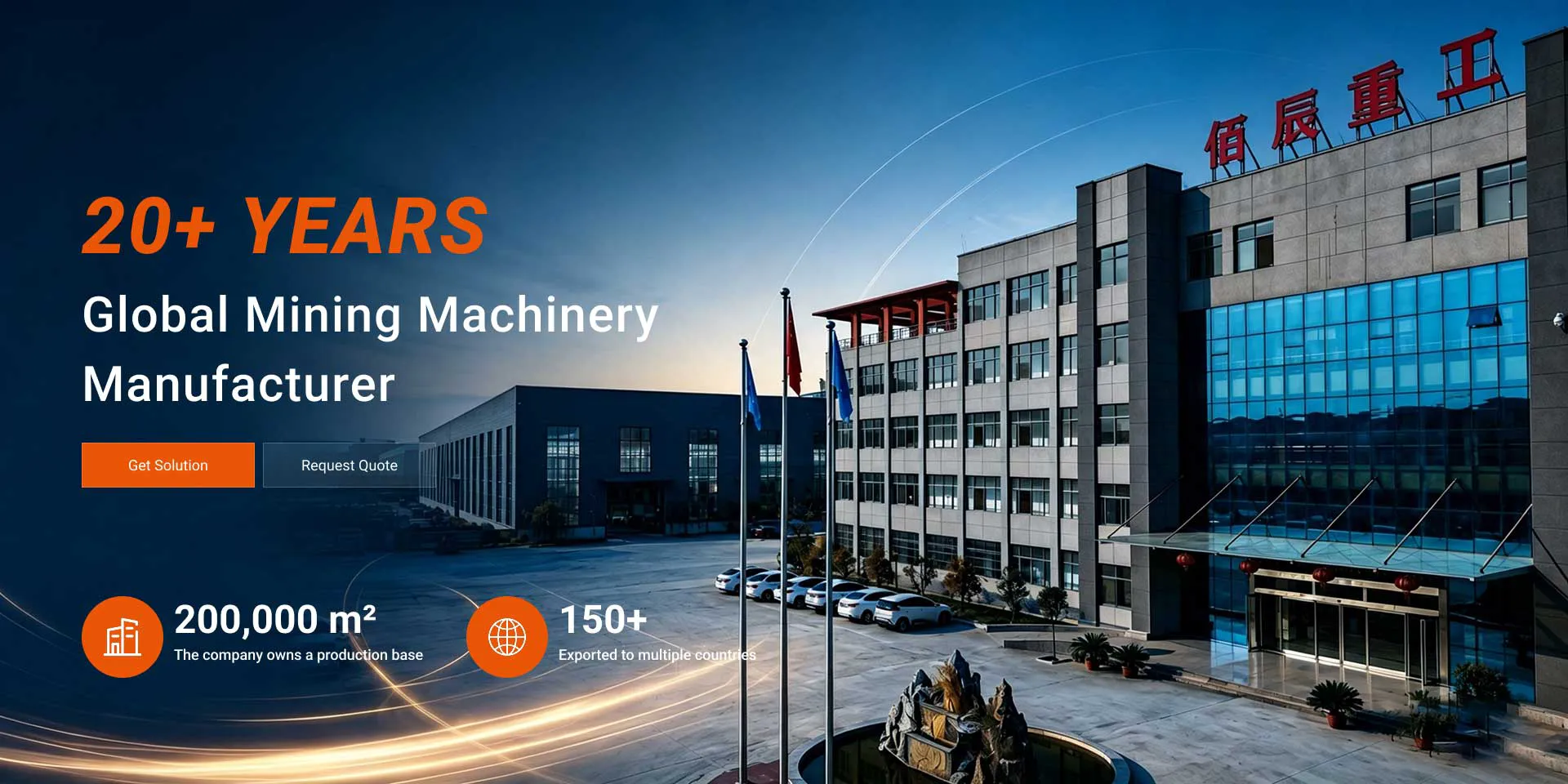
Baichy Heavy Industry
Baichy Heavy Industry is a high-tech mining equipment company integrating R&D, manufacturing, sales, and after-sales service. Focusing on crushing, grinding, and mineral processing equipment, we provide professional solutions to our customers. We are ISO9001:2015 、certified, and our products include mobile crushing palnts, crawler crushing plant, construction waste crushing plants, jaw crushers, sand making machines, cone crushers, fine crushers, grinding mills, ball mills, etc., all with reliable performance to meet diverse project needs.
Baichy Heavy Industry – Your Trusted Partner
To ensure optimal performance of your equipment, Baichy Heavy Industry offers:
- Professional on-site installation guidance
- Comprehensive operator training
- 24/7 technical support & maintenance services
Our complete after-sales service system guarantees long-term, stable operation of your machinery with minimal downtime.
Protect Your Rights – Only Use Official Channels
To avoid scams and ensure authentic support, contact us exclusively through:
• Official Website: www.baichychina.com
• WhatsApp: +8615093222637
• Email: [email protected]
Your satisfaction is our priority – expect prompt, professional service every time.
(Note: Beware of unauthorized third parties claiming to represent Baichy. Always verify through official contacts.)