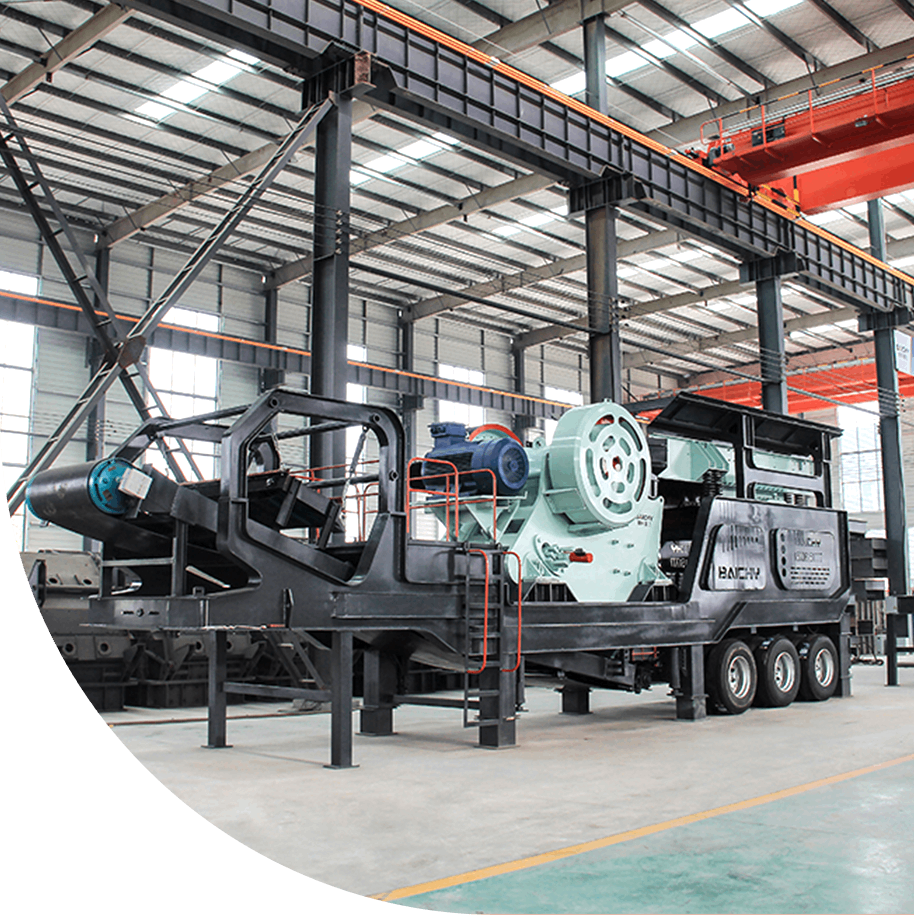

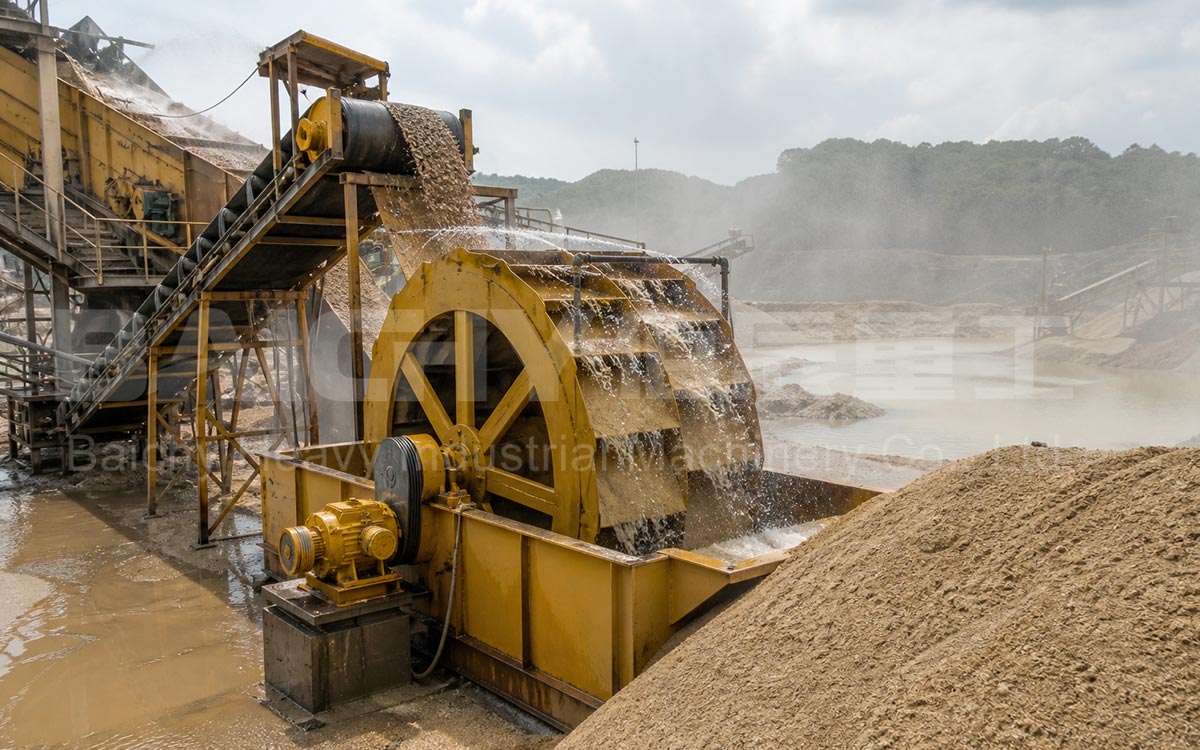
Wheel-bucket sand washer
For the production of clean sand, the bucket-wheel sand washer offers the optimal balance between cleanliness, cost-efficiency, and project timelines. Baichy Heavy Industry’s XSD series bucket-wheel sand washer features a core design combining "low-speed bucket-wheel scooping" with "dewatering via thick perforated screens." It handles capacities ranging from 30 to 300 t/h, reducing the silt/clay content of the finished sand to below 1% and limiting fine sand loss to under 3%, all while consuming approximately 40% less electricity per ton than spiral sand washers. As a professional manufacturer of mining crushing, grinding, and mineral processing equipment, Baichy provides comprehensive production lines—covering crushing, screening, and washing—along with EPC services for aggregate projects worldwide. Whether for removing fines from manufactured sand, desliming river or sea sand, or washing recycled aggregates, this bucket-wheel sand washer is a standard component of clean sand production lines.
I. Overview of the Bucket-Wheel Sand Washer: The Source of Clean Sand
1.1 What is a bucket-wheel sand washer?
The XSD bucket-wheel sand washer is a piece of equipment used for washing, dewatering, and classifying sand and aggregates in the final stages of a production line. Driven by a motor and gearbox, the bucket wheel rotates slowly within a water tank; sand grains are scooped up by the blades and undergo mutual friction and scrubbing within the buckets. Combined with the washing action of the water flow, this process removes surface silt, stone powder, and lightweight impurities. The sand is then discharged after passing over a screen for dewatering, resulting in a clean product. The bucket wheel operates at a low speed of just 1–2 rpm; this low speed minimizes wear and turbulence, ensuring that fine particles are not washed away by the water flow.
1.2 Why must sand be "washed"?
After crushing and screening, manufactured sand often retains significant amounts of stone powder (75–150 µm in size) on its surface, with fines content frequently reaching 10–20%. River and sea sands, meanwhile, often contain clay lumps, shells, and even salt. Excessive silt or clay content directly compromises concrete strength and causes pipe blockages during pumping, leading ready-mix concrete plants to reject entire batches. Therefore, "washing" is not merely an optional step but a critical value-determining factor that dictates whether the sand can be sold at commercial sand prices; the price difference per ton between washed and unwashed sand can reach $10–$15.
II. Application Scenarios for Wheel-Bucket Sand Washing Machines
2.1 Manufactured Sand Production Lines: Fines Removal and Purification
The sequence "VSI sand-making machine → vibrating screen → XSD sand washing machine → finished sand stockpile" represents the standard process flow for wet sand production. The wheel-bucket sand washing machine reduces the fines content of manufactured sand from 10–20% to below 3–5%, meeting the cleanliness standards required by concrete mixing plants; it is an indispensable downstream component in the "crushing-instead-of-grinding" production route.
2.2 River Sand and Sea Sand: Silt and Impurity Removal
Natural river sand features rounded particles and low silt content, so a single-stage wheel-type sand washing machine suffices to meet cleanliness requirements. For sea sand, two wheel-bucket sand washing machines can be connected in series for desalination: the first performs coarse washing to remove salt and shells, while the second performs fine washing to rinse the sand thoroughly, keeping chloride ion levels within regulatory limits.
2.3 Glass Sand and Foundry Sand: High-Purity Raw Materials
When paired with a high-pressure spray system, the wheel-type sand washing machine removes iron oxide layers from the surface of quartz sand, providing high-purity raw material for the glass and foundry industries; connecting two machines in series can further improve cleanliness by 30–50%.
2.4 Recycled Aggregate from Construction Waste
Washed recycled sand typically suffers from high moisture content and significant loss of fine particles. By combining the wheel-type sand washing machine with a fine sand recovery unit and a dewatering screen, the moisture content of recycled sand can be reduced from 28% to below 14%, enabling a closed-loop water circulation system and ensuring compliance with environmental standards.
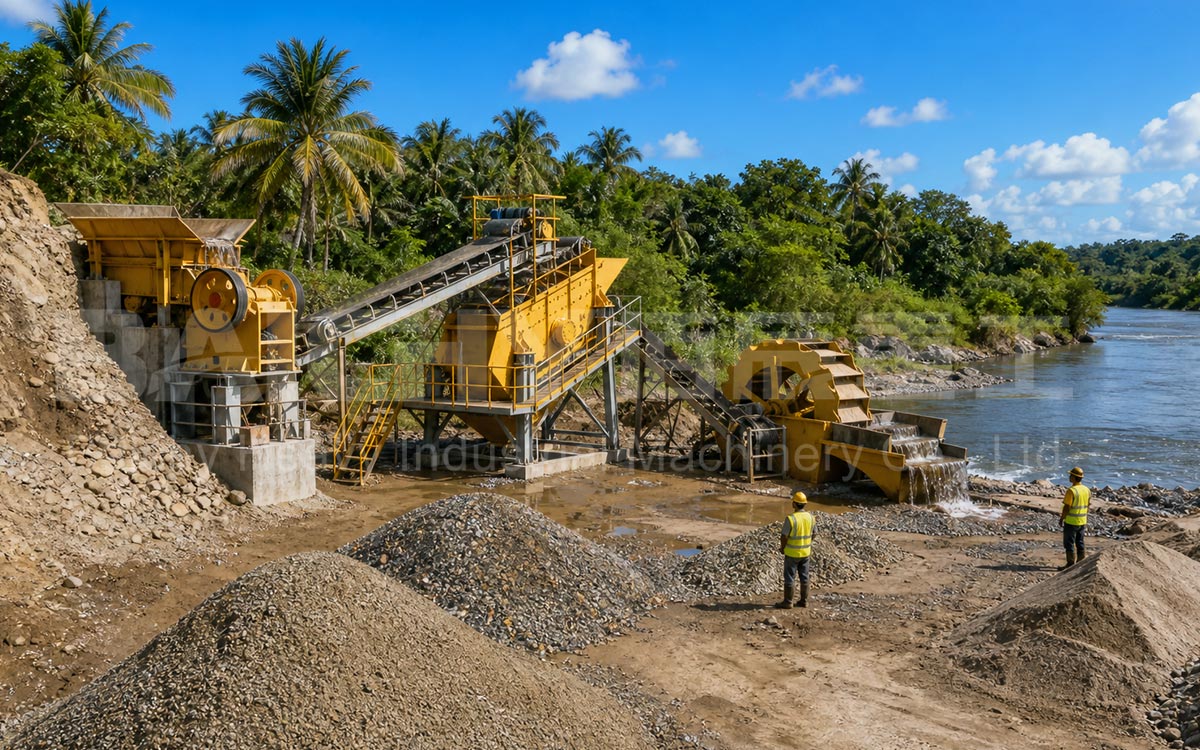
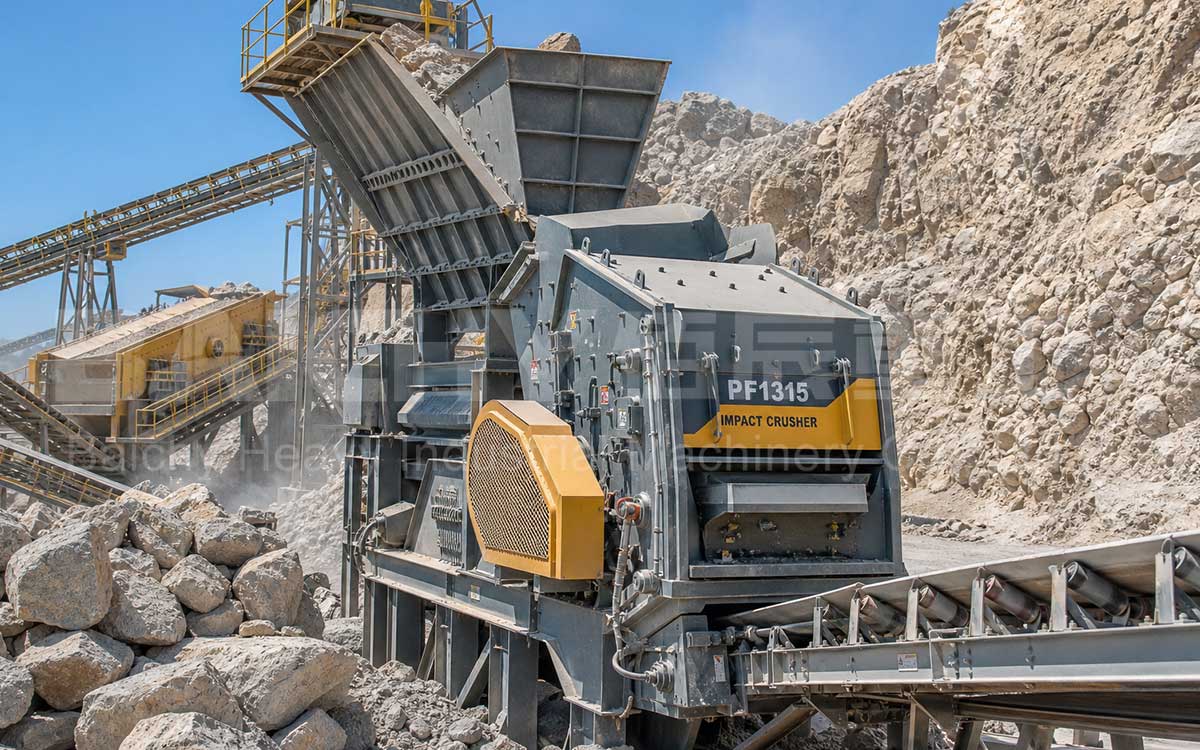
Customer Site: Crushing, Sand-Making, and Sand-Washing Production Line
III. Core Advantages of the Wheel-Type Sand Washer
3.1 Low fine sand loss and stable gradation
The wheel-type sand washer employs a physical scooping mechanism rather than hydraulic transport; its low-speed rotation prevents fine sand (0.075–0.6 mm) from being washed away in the overflow. Fine sand loss is 30–40% lower than that of spiral sand washers, resulting in stable product gradation and controllable fineness modulus that directly meet standards for concrete sand.
3.2 Low energy and water consumption
Taking the XSD3016 model (processing capacity: 80–160 t/h) as an example, the motor power is only 15 kW, and electricity consumption per ton of sand is less than half that of spiral models. Wash water is recycled via a sedimentation tank, requiring makeup water only to compensate for evaporation and moisture retained in the product; water consumption is approximately 1–2 m³ per ton of sand, making it suitable for water-scarce regions.
3.3 Oil-bath sealed drive system and low maintenance costs
The reducer, gears, and bearings feature fully enclosed oil-bath lubrication, completely isolating them from the sand-water slurry; this eliminates the need for daily greasing and prevents water ingress into the bearings. Under normal operating conditions, the annual cost for replacing wear parts (screens only) is less than 500 USD, and screen replacement takes just 2–4 hours.
3.4 No deep foundation required; rapid commissioning
The wheel-type sand washer is shipped as a fully assembled unit. On-site installation requires only foundation leveling and utility connections, allowing for commissioning within a single day—making it ideal for tight construction schedules and temporary sand washing stations.
IV. XSD Series Bucket-Wheel Sand Washer Specifications
| Model | Bucket Wheel Diameter (mm) | Max. Feed Size (mm) | Processing Capacity (t/h) | Motor Power (kW) | Overall Dimensions (mm) | Weight (t) |
|---|---|---|---|---|---|---|
| XSD2610 | Φ2600 | ≤10 | 30–80 | 7.5 | 3900×2900×2700 | 3.2 |
| XSD2915 | Φ2900 | ≤10 | 60–120 | 11 | 4400×3100×3000 | 4.5 |
| XSD3016 | Φ3000 | ≤10 | 80–160 | 15 | 4500×3300×3100 | 5.8 |
| XSD3420 | Φ3400 | ≤10 | 130–220 | 18.5 | 5000×3600×3500 | 7.2 |
| XSD3624 | Φ3600 | ≤10 | 160–300 | 22 | 5200×4100×3700 | 9.0 |
Selection Note: The processing capacities listed above are based on standard sand materials with a silt content of <10%; capacity should be adjusted downward if the raw material's silt content increases. Motors can be customized to meet global voltage and frequency standards (e.g., 380V/50Hz, 400V/50Hz, 440V/60Hz) to suit target markets such as South America, Africa, and Southeast Asia.
V. Application Cases
Case 1: 100 tph River Pebble Sand-Making Line (Dominican Republic)
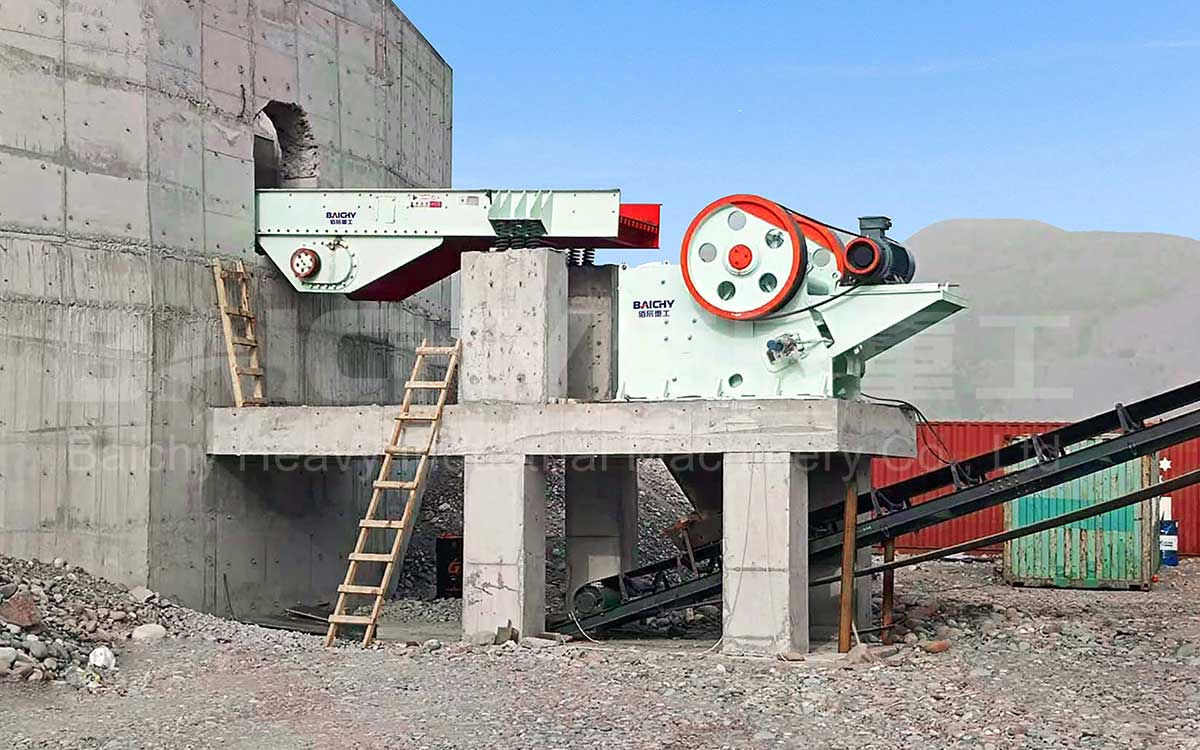
Utilizing a combination of a PE500×750 jaw crusher, 2YK1548 vibrating screen, and XSD2610 wheel-type sand washer, this setup addresses the challenges of high-clay-content river pebbles in the Caribbean. Results included a 15% increase in sand yield, fine sand loss below 3%, a 20% price premium on the finished product, and annual electricity costs for the washing stage of under $3,000.
Case 2: Premium River Pebble Sand Project (Philippines)
Utilizing a combination of jaw crusher, cone crusher, VSI-9526, and wheel-type sand washer, the line achieved an actual capacity of 260 t/h. The finished sand had a silt/clay content of less than 1% and was supplied directly to a C30 concrete batching plant; the equipment investment was recouped within eight months of operation.
Case 3: Construction Waste Recycled Aggregate Washing Line (Domestic)
A combination of wheel-type sand washer, fine sand recovery unit, and dewatering screen: the moisture content of recycled sand dropped from 28% to 14%, and the fine sand recovery rate exceeded 90%. Process water was recycled after sedimentation (zero discharge), the line passed environmental inspections on the first attempt, and the selling price of the recycled sand increased.
VI. Recommended Auxiliary Equipment
| Auxiliary Equipment | Function | Applicable Scenario |
|---|---|---|
| Spiral Sand Washer (LSX Series) | Secondary intensive washing | Raw material with >10% silt/clay content or clay lumps |
| Fine Sand Recovery Unit | Recovers fine sand from overflow | Production lines requiring high recovery rates |
| Dewatering Screen (TDS Series) | Dewatering finished sand | Direct loading without air-drying required |
| Circular Vibrating Screen (YK Series) | Pre-wash grading | Integrated crushing-screening-washing lines |
| VSI Sand-Making Machine | Shaping manufactured sand | River pebble and granite sand making |
VII. FAQ
Q1: How do I choose between a wheel-type sand washer and a spiral sand washer?
For standard operating conditions—such as materials with a silt/clay content of <10–15% and a reliance on manufactured or river sand—a wheel-type sand washer is the more economical choice. However, for ores with high silt content or clay-rich materials requiring vigorous scrubbing, a spiral-type washer is preferable. The two can also be used in tandem: the wheel-type unit performs primary washing, while the spiral-type unit handles secondary fine washing.
Q2: How is the overflow water from the wheel-type sand washer handled?
The standard practice involves routing overflow water to a settling tank and recycling the clarified water, creating a closed-loop washing system. If fine sand recovery from the overflow is required, integrating a fine sand recovery unit can boost the overall fine sand recovery rate to over 98% while simultaneously reducing the frequency of settling tank desilting.
Q3: What is the investment payback period for a wheel-type sand washer?
Taking the XSD3016 model as an example: the price difference between washed and unwashed sand is approximately $10–15 per ton, and the equipment investment ranges from $12,000 to $18,000. Operating at full capacity for a few weeks to a few months is sufficient to recoup the investment cost; most projects achieve payback within one year, making it one of the fastest-ROI pieces of equipment in a sand and gravel production line.
Conclusion & Consultation
Clean sand is the first line of defense for concrete quality, and the wheel-type sand washer is the core equipment of that defense. Baichy Heavy Industry offers comprehensive technical solutions—covering material particle size analysis, silt content assessment, sand washer selection, and water circulation system design—and can customize 60Hz electrical configurations and wear-resistant parts based on site requirements. Send us a 5–10 kg sand sample, and our engineers will provide a model recommendation and a full-line quotation within 24 hours.
Baichy Heavy Industry
Baichy Heavy Industry is a high-tech mining equipment company integrating R&D, manufacturing, sales, and after-sales service. Focusing on crushing, grinding, and mineral processing equipment, we provide professional solutions to our customers. We are ISO9001:2015 、certified, and our products include mobile crushing palnts, crawler crushing plant, construction waste crushing plants, jaw crushers, sand making machines, cone crushers, fine crushers, grinding mills, ball mills, etc., all with reliable performance to meet diverse project needs.
Baichy Heavy Industry – Your Trusted Partner
To ensure optimal performance of your equipment, Baichy Heavy Industry offers:
- Professional on-site installation guidance
- Comprehensive operator training
- 24/7 technical support & maintenance services
Our complete after-sales service system guarantees long-term, stable operation of your machinery with minimal downtime.
Protect Your Rights – Only Use Official Channels
To avoid scams and ensure authentic support, contact us exclusively through:
• Official Website: www.baichychina.com
• WhatsApp: +8615093222637
• Email: [email protected]
Your satisfaction is our priority – expect prompt, professional service every time.
(Note: Beware of unauthorized third parties claiming to represent Baichy. Always verify through official contacts.)