
Selection Guide for Shale Crushing and Grinding Equipment
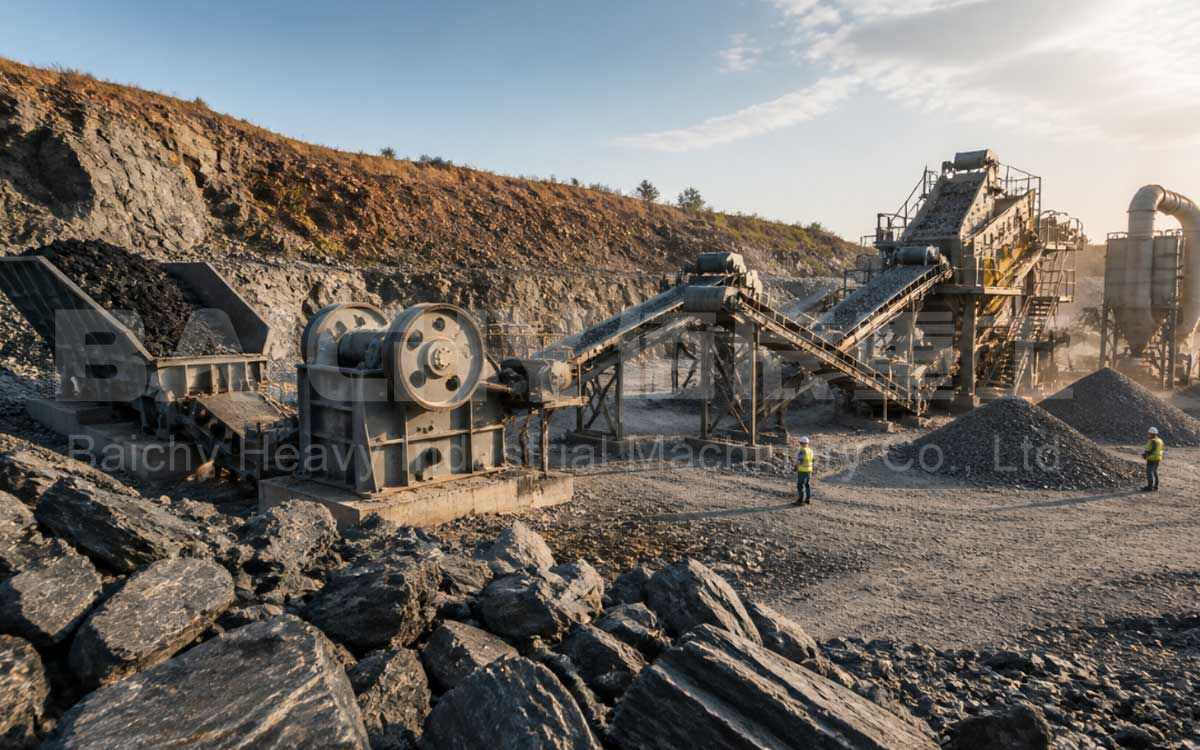
Shale is a fine-grained sedimentary rock with distinct bedding planes and a Mohs hardness of only 2–4; however, its high clay content causes it to become sticky and prone to clogging when exposed to water. Consequently, the challenge in selecting equipment for a shale crushing plant lies not in the rock's hardness, but in its stickiness. The standard configuration involves "jaw crushing (primary) → two-stage hammer crushing or double-roll crushing (secondary/fine) → Raymond mill or ball mill (powder making)." Selecting the right equipment can reduce electricity consumption per ton of shale crushed by over 30% compared to hard rock processing lines. This article outlines a comprehensive equipment selection strategy for shale crushing and grinding, covering process flow, application scenarios, technical parameters, and case studies.
I. Overview of Shale Material Properties and Processing
1.1 Material Properties Dictate Equipment Selection
Equipment selection for shale processing must begin with an analysis of the material's properties:
| Material Parameter | Typical Range | Impact on Equipment Selection |
| Mohs Hardness | 2–4 (up to 5–6 with siliceous interlayers) | Soft to medium-soft; high efficiency with hammer or impact crushers |
| Bedding Structure | Distinctly layered | Cleaves easily along bedding planes; low crushing energy consumption |
| Clay Content | 30%–60% | High clay content; requires anti-clogging and anti-sticking measures |
| Loose Bulk Density | 1.4–1.7 t/m³ (oil shale: 1.0–1.4) | Production capacity must be calculated based on bulk density |
| Moisture Content | 5%–15% (natural state) | Significant risk of sticky clogging during the rainy season |
Shale's layered structure makes it much easier to crush than granite or basalt, resulting in significantly lower electricity consumption per ton for jaw and hammer crushers compared to hard rock processing. However, the high clay content makes crushing chambers, screens, and conveyors highly susceptible to sticky clogging; therefore, preventing clogging must be prioritized alongside production capacity during equipment selection.
1.2 Typical Process Flow
The standard process flow for a shale crushing plant is: Raw Ore → Vibrating Feeding → Jaw Crushing (Primary) → Hammer Crushing/Double-Roll Crushing (Fine) → Screening → (Powder Making: Raymond Mill/Ball Mill) → Finished Product. The lump-material processing route yields graded shale ceramsite (5–20 mm) or raw material for bricks (0–10 mm), while the powder processing route produces shale powder (80–325 mesh). Both routes share the primary crushing stage, but the powder production stage is configured separately based on end-market requirements.
II. Application Scenarios for Shale Crushing and Processing Plants
2.1 Production of Shale Ceramsite and Lightweight Aggregate
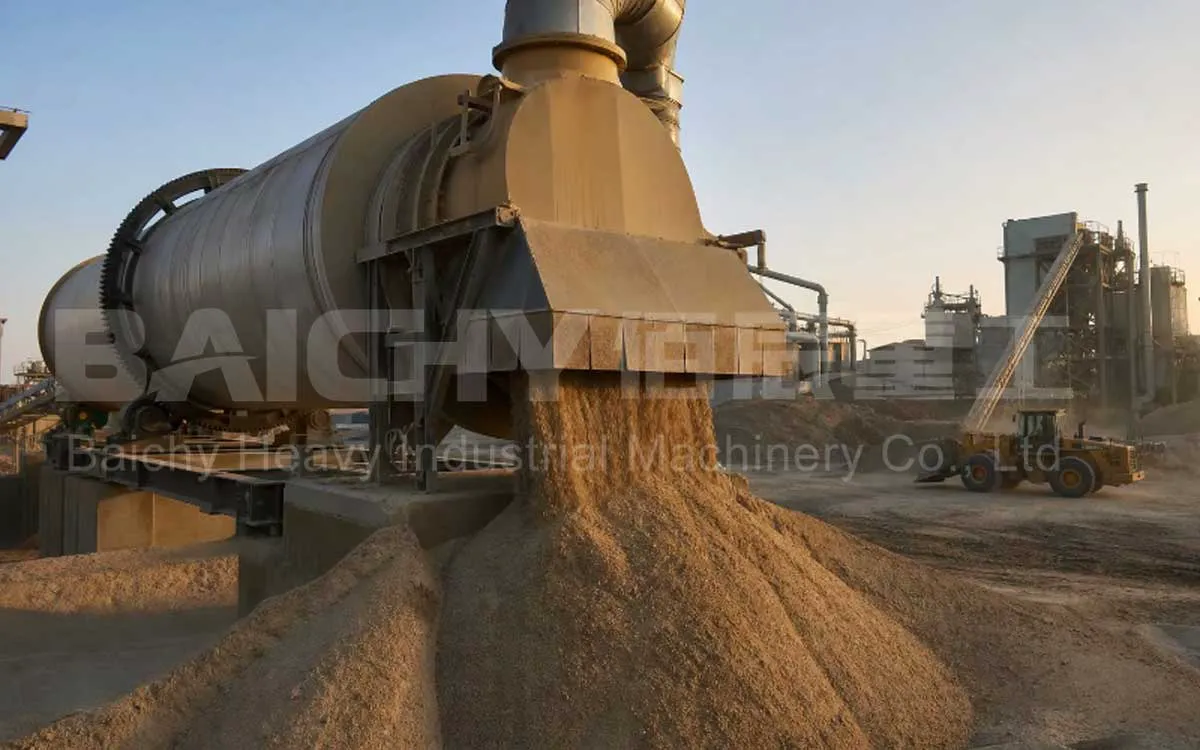
Shale is crushed to 5–20 mm and fed into a rotary kiln, where it is fired and expanded at 1100–1250°C to produce shale ceramsite—a core raw material for building insulation and lightweight aggregate concrete. The crushing stage requires uniform particle shape and a low fines generation rate; a single-pass process using a two-stage hammer crusher is the most popular choice.
2.2 Raw Material for Shale Bricks and Sintered Building Materials
Shale bricks represent a major application for crushed shale. Shale crushed to 0–10 mm is mixed with clay and fly ash to form green bricks for sintering; the uniformity of the crushed particle size directly affects the strength of the green bricks and the final product yield.
2.3 Pre-treatment for Oil Shale Retorting
Crushing and processing oil shale is a preliminary step for retorting and oil extraction. The feed particle size is typically controlled at 10–75 mm (for lump-based processes) or ≤25 mm (for powder-based processes). Excessive crushing generates large amounts of fines, which reduces retorting efficiency; therefore, over-crushing must be strictly controlled.
2.4 Shale Powder Production
Once ground into 80–325 mesh powder, shale can be used as a cement ingredient (replacing some clay-based raw materials) or as a filler for ceramics, rubber, and plastics, as well as an auxiliary material for waterproofing membranes and drilling mud. The choice of shale grinding mill directly determines powder fineness and electricity consumption per ton of powder produced.
2.5 Roadbed and General Concrete Aggregate
Low-grade shale can be crushed for use as roadbed fill and general concrete aggregate. Requirements for particle shape are less stringent than those for the ceramsite route, and cost-sensitivity is high; a single-stage hammer crusher is sufficient for these applications.
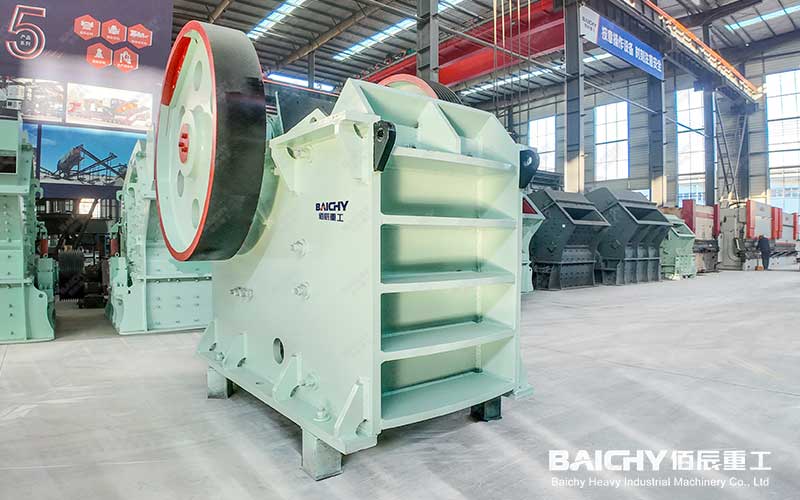
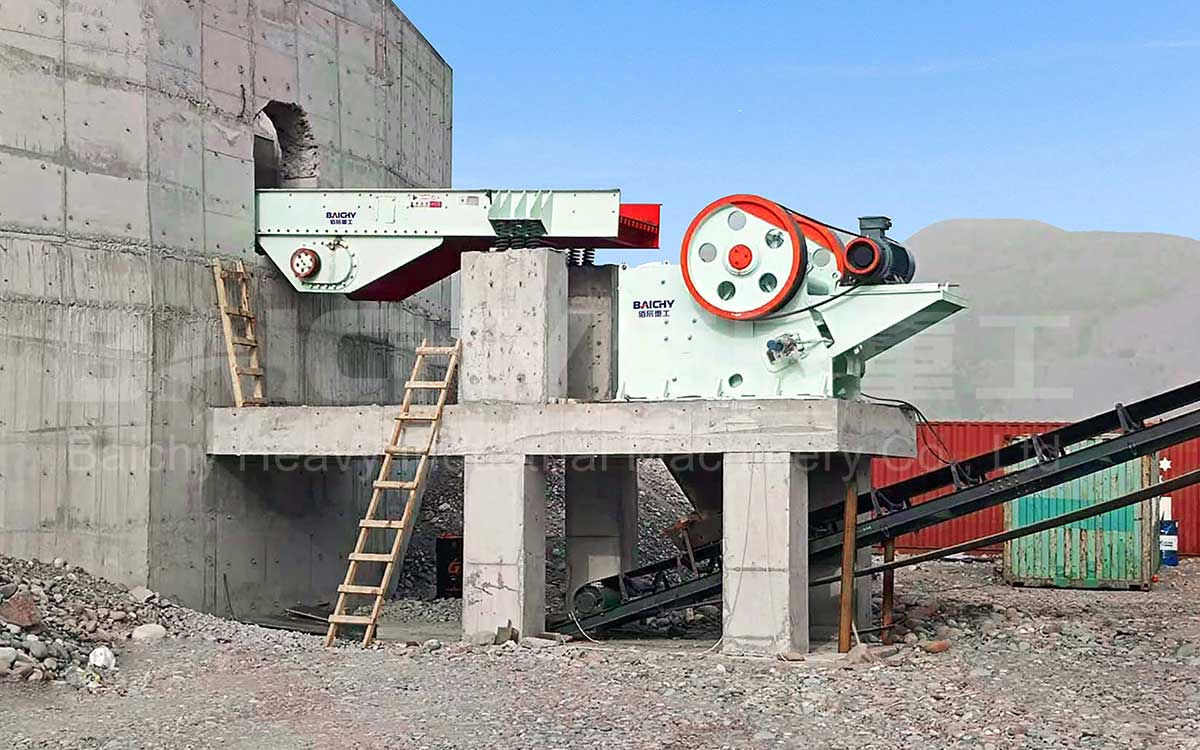
PE jaw crusher
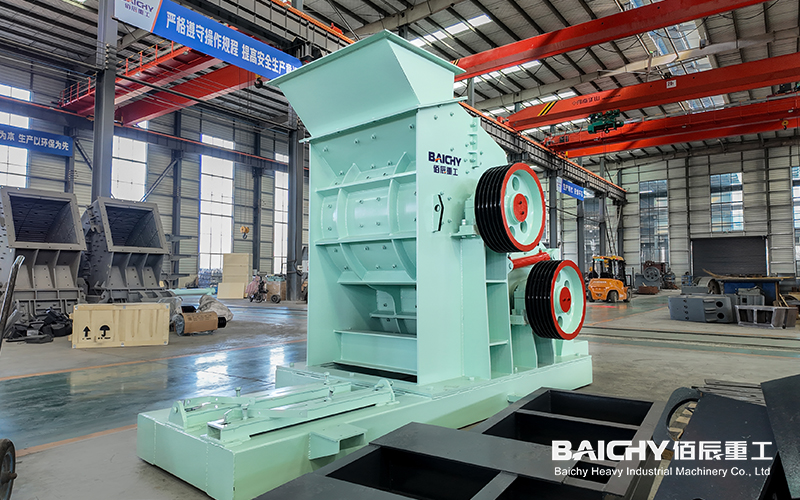
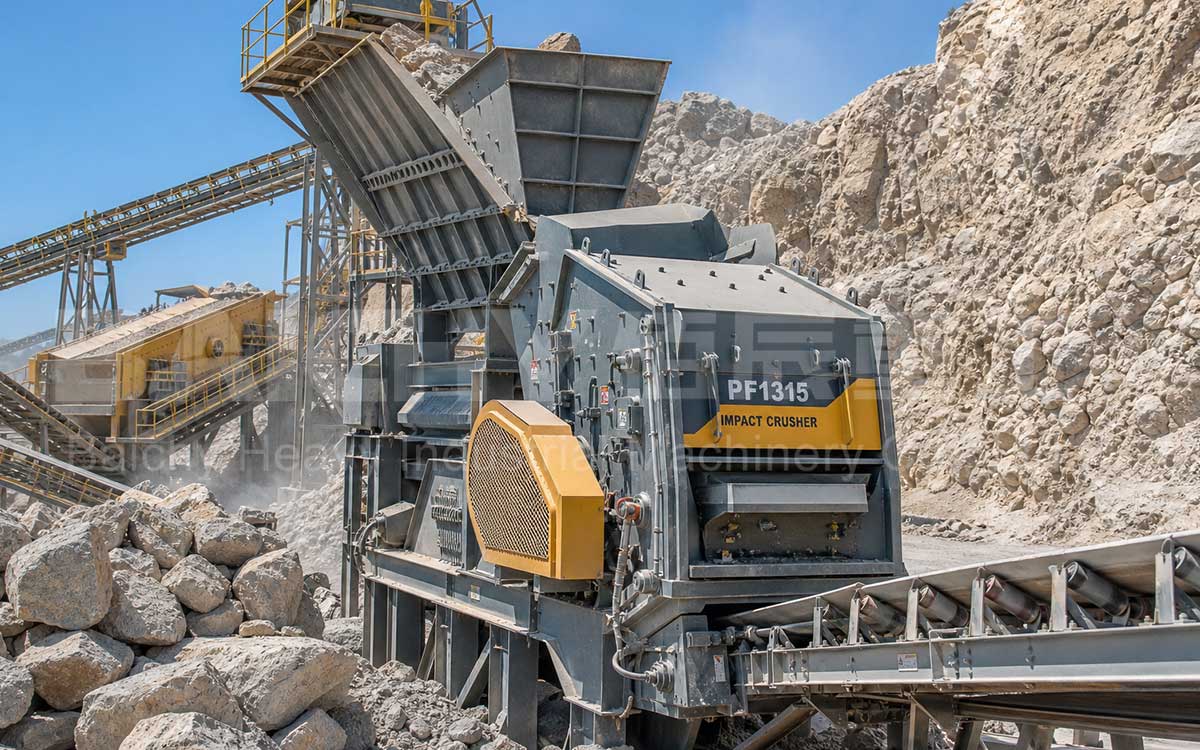
Two-stage hammer crusher
III. Core Parameter Configuration Table for Shale Crushing and Processing
The following outlines the equipment configuration for a typical shale processing plant with a capacity of 80 t/h for crushing and 5 t/h for powder making (reference values based on design operating conditions):
| Process | Equipment Model | Feed Size | Output Size | Capacity | Motor Power |
| Feeding | ZSW-380×96 Vibrating Feeder | ≤500mm | - | 96–160 t/h | 11 kW |
| Primary Crushing | PE-600×900 Jaw Crusher | ≤500mm | 65–160mm | 96–160 t/h | 75 kW |
| Fine Crushing | 2PC-1000×1200 Two-stage Hammer Crusher | ≤350mm | ≤10mm | 70–100 t/h | 110 kW × 2 |
| Screening | 3YK-1860 Circular Vibrating Screen | ≤10mm | 0–5 / 5–10mm | - | 15 kW |
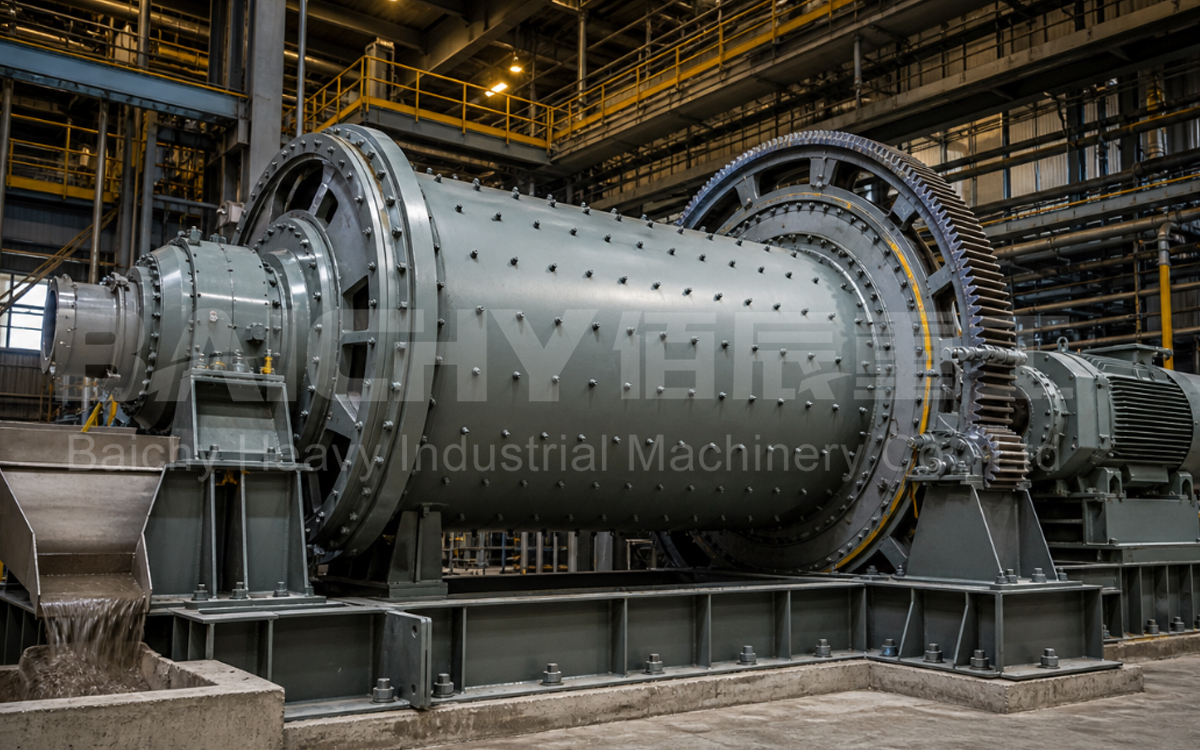
| Powder Making | YGM-130 Raymond Mill | ≤30mm | 80–325 mesh | 2.5–6 t/h | 90 kW |
| Dust Removal | DMC-96 Bag-type Dust Collector | - | - | Airflow 9,600 m³/h | 15 kW |
Capacity Conversion Note: Rated capacities on equipment nameplates are typically calibrated using limestone (loose bulk density approx. 1.6 t/m³). Common shale ranges from 1.4–1.7 t/m³, while oil shale is only 1.0–1.4 t/m³; actual capacity should be calculated by applying a conversion factor of 0.7–0.95. For rainy season operations involving high moisture content, it is recommended to allow for a capacity margin of at least 15%.
IV. Core Advantages of Shale Crushing and Grinding Equipment
4.1 Anti-clogging design addresses key shale processing challenges
Shale has a high clay content and becomes sticky when exposed to water, causing standard crushing equipment to easily suffer from chamber clogging. Baichy’s two-stage hammer crusher and double-roll crusher feature anti-stick liners and enlarged discharge openings; combined with pre-screening via vibrating feeder grizzly bars, this design minimizes the entry of sticky, wet material into the crushing chamber at the source.
4.2 Low Crushing Energy Consumption Due to Bedding Structure
Shale cleaves along its bedding planes, resulting in high single-stage crushing efficiency. The two-stage hammer crusher enables "single-pass shaping," replacing the traditional two-stage process (impact crusher + sand maker); this reduces electricity consumption per ton by over 30% while simultaneously lowering equipment investment and footprint requirements.
4.3 Controllable Over-pulverization and Higher Product Yield
Oil shale retorting and ceramsite production processes are sensitive to maximum particle size limits. The hammer crusher's discharge size is adjustable via grizzly bar spacing, preventing material loss caused by over-pulverization and ensuring a higher yield of lump product.
4.4 Energy-Efficient and Consistent Pulverization
Utilizing a Raymond mill with a closed-loop classifier allows for adjustable fineness (80–325 mesh) with minimal fluctuation. For large-scale production, vertical mills are an option, offering 25%–35% lower electricity consumption per ton compared to ball mills. Shale mills are selected based on the dual criteria of target fineness and production capacity.
4.5 Project Case References (Typical Configurations)
Shale Ceramsite Plant in Henan (Typical Configuration): ZSW feeder + PE-600×900 jaw crusher + 2PC two-stage hammer crusher. This setup crushes raw shale into 5–20mm ceramsite-grade feedstock with a design capacity of 80–100 t/h (continuous two-shift operation). The output features uniform particle shape and low fines generation, allowing for direct feeding into the rotary kiln for expansion.
Shale Powder Processing Plant in Southwest China (Typical Configuration): YGM Raymond mill with closed-loop classification. Annual production of approximately 30,000 tons of 200-mesh shale powder for use in cement blending and waterproofing material manufacturing. Both electricity consumption per ton and fineness stability outperform similar local production lines. An oil shale project in Northeast China (typical configuration): A two-stage crushing process using a jaw crusher followed by a hammer crusher controls the feed size to the retort within the 10–75 mm range. This results in a significantly lower rate of over-pulverization compared to a single-stage jaw crusher setup and improves the yield of qualified feedstock for retorting.
The cases above are based on typical configurations; specific data depends on actual on-site material properties and operating conditions. Baichy offers free process design and sample testing services.
V. Recommended Equipment
Primary Crushing: PE Series Jaw Crusher (PE400×600–PE1200×1500)—suitable for reducing the size of large raw shale blocks; resistant to clogging/sticking.
Fine Crushing: 2PC Double-stage Hammer Crusher (single-pass shaping for soft shale); 2PG Double-roll Crusher (anti-clogging for sticky/wet materials; adjustable output size).
Powder Making: YGM Raymond Mill (80–325 mesh); HGM Ultrafine Mill (325–2500 mesh); Ball Mill (large-scale); Vertical Mill (25%–35% energy savings).
Auxiliary Equipment: ZSW Vibrating Feeder; YK Circular Vibrating Screen; Belt Conveyor; DMC Bag-type Dust Collector.
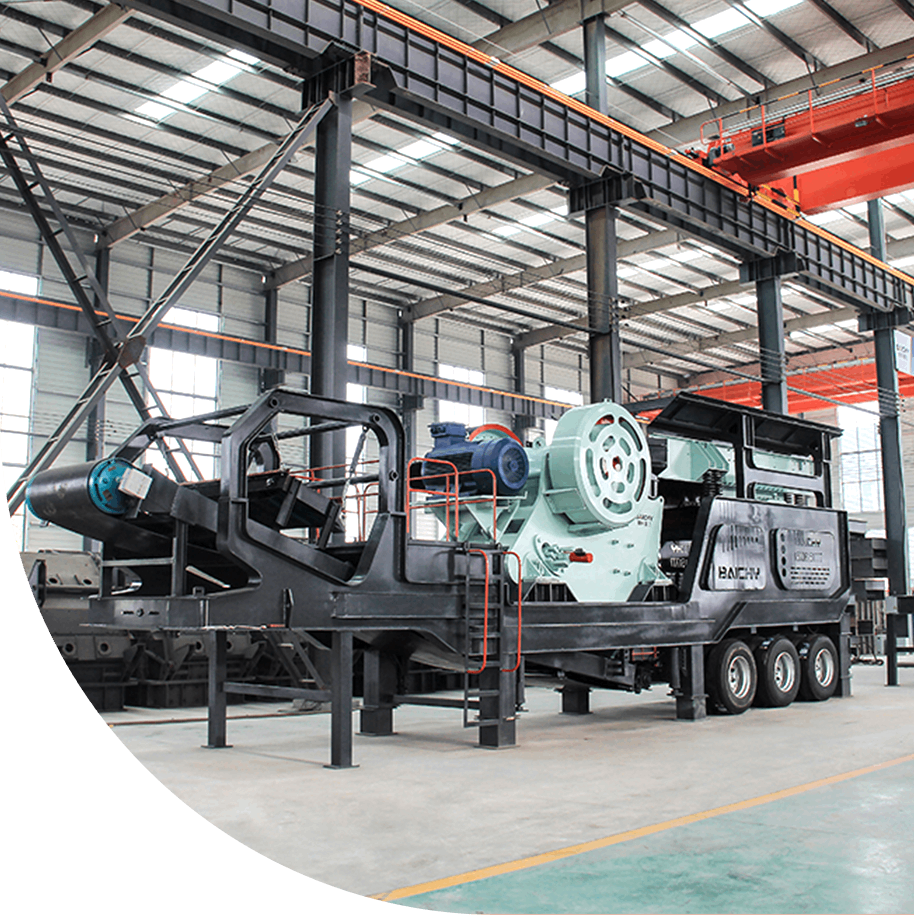
Mobile Solutions: YDPZ Mobile Crushing Station—for on-site crushing at the mine, reducing material transfer costs.
VI. FAQ
Q1: Should a shale processing plant choose a hammer crusher or a double-roll crusher?
It depends on material stickiness and particle size requirements. If the shale has high moisture content and tends to clump, the double-roll crusher (2PG) is preferred due to its anti-clogging capabilities and adjustable output size. If the shale is dry and a high single-pass powder yield is required, the double-stage hammer crusher (2PC) is the better choice, offering lower electricity consumption per ton. Both are suitable for medium-soft shale; for ores with significant hard siliceous interlayers, on-site testing is recommended.
Q2: How is the capacity of a shale grinding mill calculated?
Equipment nameplate capacities are typically rated based on limestone; however, since the loose bulk density of shale is 1.4–1.7 t/m³ (and oil shale is 1.0–1.4 t/m³), a conversion factor of 0.7–0.95 must be applied. Moisture content and fineness must also be considered (finer output results in lower capacity). It is recommended to build in a capacity margin of at least 15% based on the target fineness.
Q3: How can dust and material clogging be controlled during shale crushing and powder making?
Dust is managed using bag-type dust collectors combined with spray-based suppression and enclosed workshop collection systems. Clogging is prevented at the source: using vibrating feeders with grizzly bars for pre-screening, enlarging the discharge opening on hammer crushers, installing anti-spill plates on conveyor belts, and air-drying or simply pre-drying materials during the rainy season.
Conclusion
Opportunities for cost reduction in shale processing plants lie primarily in "clogging prevention" and "single-stage shaping." By properly matching equipment for primary crushing, fine crushing, and powder making, projects involving shale ceramsite, bricks, shale powder, and oil shale can all benefit from lower electricity consumption per ton and higher product yields. Baichy Heavy Industry offers a full range of crushing and powder-making equipment along with free process design services; you are welcome to submit shale samples and capacity requirements to receive a customized solution.

Baichy Heavy Industry
Baichy Heavy Industry is a high-tech mining equipment company integrating R&D, manufacturing, sales, and after-sales service. Focusing on crushing, grinding, and mineral processing equipment, we provide professional solutions to our customers. We are ISO9001:2015 、certified, and our products include mobile crushing palnts, crawler crushing plant, construction waste crushing plants, jaw crushers, sand making machines, cone crushers, fine crushers, grinding mills, ball mills, etc., all with reliable performance to meet diverse project needs.
Baichy Heavy Industry – Your Trusted Partner
To ensure optimal performance of your equipment, Baichy Heavy Industry offers:
- Professional on-site installation guidance
- Comprehensive operator training
- 24/7 technical support & maintenance services
Our complete after-sales service system guarantees long-term, stable operation of your machinery with minimal downtime.
Protect Your Rights – Only Use Official Channels
To avoid scams and ensure authentic support, contact us exclusively through:
• Official Website: www.baichychina.com
• WhatsApp: +8615093222637
• Email: [email protected]
Your satisfaction is our priority – expect prompt, professional service every time.
(Note: Beware of unauthorized third parties claiming to represent Baichy. Always verify through official contacts.)