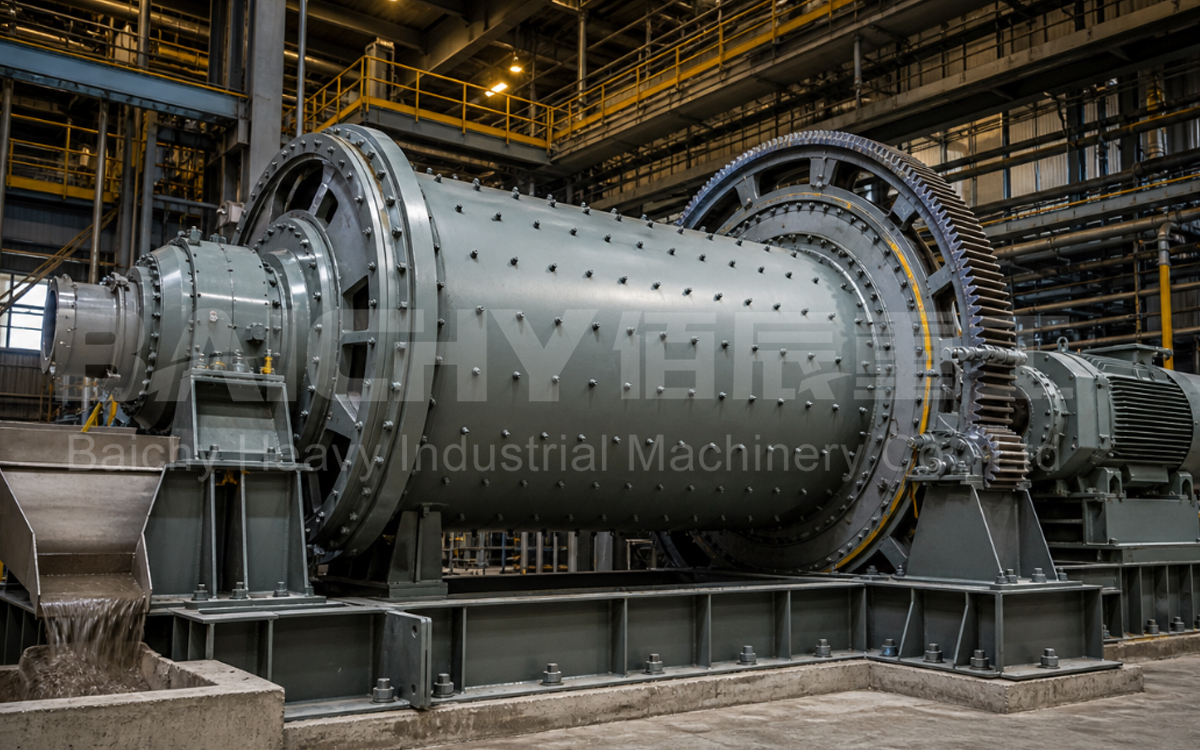

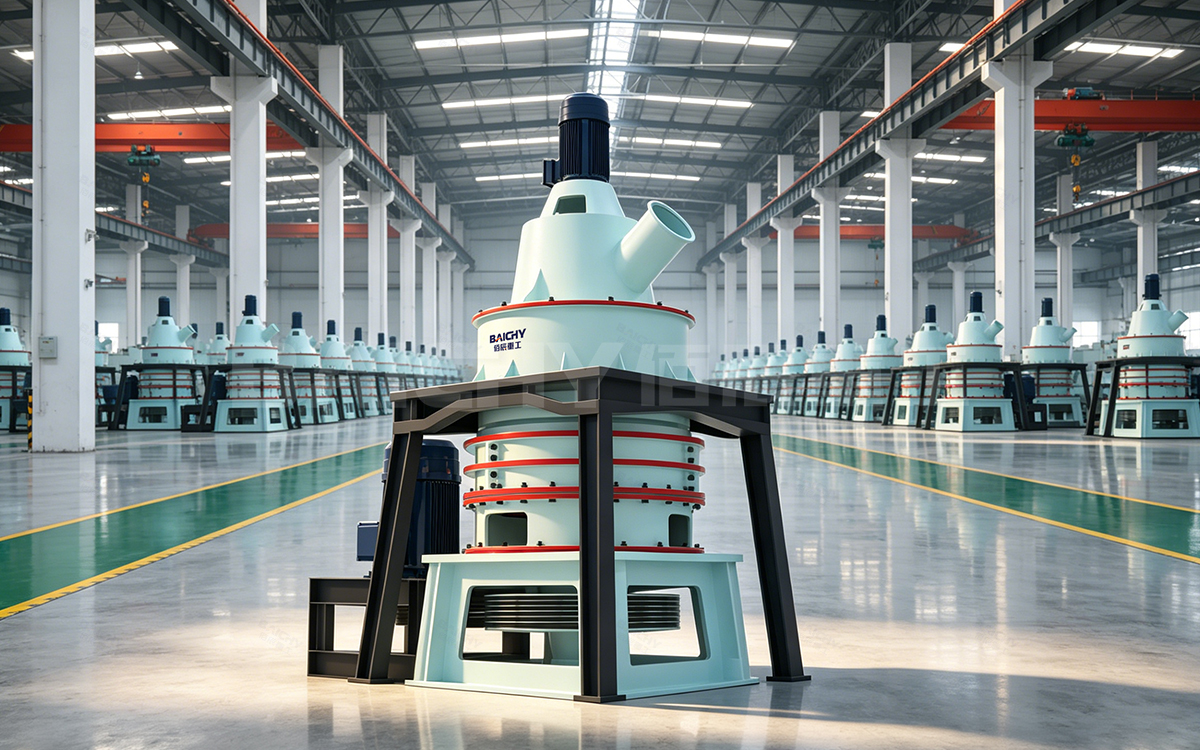
Calcium carbonate ultrafine grinding mill
The 400-mesh (D97 ≈ 38 μm) specification marks the watershed where calcium carbonate powder transitions from "filler-grade" to "functional-grade"—a shift driven by the fact that downstream clients in the coatings, plastics, rubber, and papermaking industries have extremely low tolerance for fluctuations in fineness or the presence of oversized particles. Achieving both an hourly output of 10 tons and a stable D97 of 38 μm requires more than just running the mill at maximum speed; it demands a process configuration comprising an ultrafine grinding mill, a high-efficiency classifier, and a closed-loop dust collection system. Baichy Heavy Industry’s HGM series ultrafine calcium carbonate grinding mills are designed precisely with this logic in mind: using a closed-loop classification system to strictly control the upper limit of particle size, while employing a low-energy-consumption main unit to minimize cost per ton, thereby ensuring that high capacity and high mesh fineness are no longer mutually exclusive goals.
I. Why 400-mesh is a watershed in calcium carbonate processing
1.1 Mesh count is not fineness: Understanding D97
The standard for "400-mesh" corresponds to a D97 of approximately 38 μm, meaning 97% of the particles have a diameter smaller than 38 micrometers. Many mills on the market are "nominally rated at 400-mesh," yet in actual operation, while the D50 value may meet standards, the D97 value deviates significantly—this is the primary reason for product returns and claims from downstream customers. When purchasing an ultrafine calcium carbonate mill, the contract should explicitly specify the D97 value rather than just the "mesh count." A qualified ultrafine calcium carbonate mill must report both D50 and D97 values, with acceptance based on test reports from a laser particle size analyzer.
1.2 Fineness directly determines powder price and downstream application
For ground calcium carbonate (GCC) powder, the market price difference between 200-mesh and 400-mesh products is typically 15–30%, while the price gap jumps to another level between 400-mesh and 800-mesh grades. With each increase in fineness, the filler's hiding power, oil absorption value, and mechanical reinforcement capabilities change, leading to a corresponding step-up in the downstream purchase price. For processing plants, a stable 400-mesh ultrafine calcium carbonate grinding mill is essentially a "value-enhancing asset": it enables a shift from selling low-end fillers to supplying powders for coatings, plastic masterbatches, rubber products, and paper coating applications—thereby upgrading both the customer base and order profit margins.
1.3 Demand-Driven: Market Dynamics of Ultrafine Ground Calcium Carbonate (GCC)
Global demand for GCC powder is deeply linked to three major industries: coatings, plastics, and papermaking. A shared trend across both Western and emerging markets is the shift in end-product formulations toward finer particle sizes, higher whiteness, and lower heavy-metal content. Consequently, the proportion of powders finer than 400 mesh being purchased downstream is steadily rising, and competition among powder producers has shifted from a race for sheer volume to a contest over fineness stability and batch-to-batch consistency. Data from the USGS Mineral Yearbook indicates that while global annual limestone production has long remained in the billion-ton range, the proportion processed into ultrafine powder is increasing rapidly—driven by the $20–$50 per ton of value added through processing. For investors with access to quarries or stable raw material sources, installing a 10 t/h capacity 400-mesh ultrafine grinding mill is the most direct way to enter this value-upgrading chain.
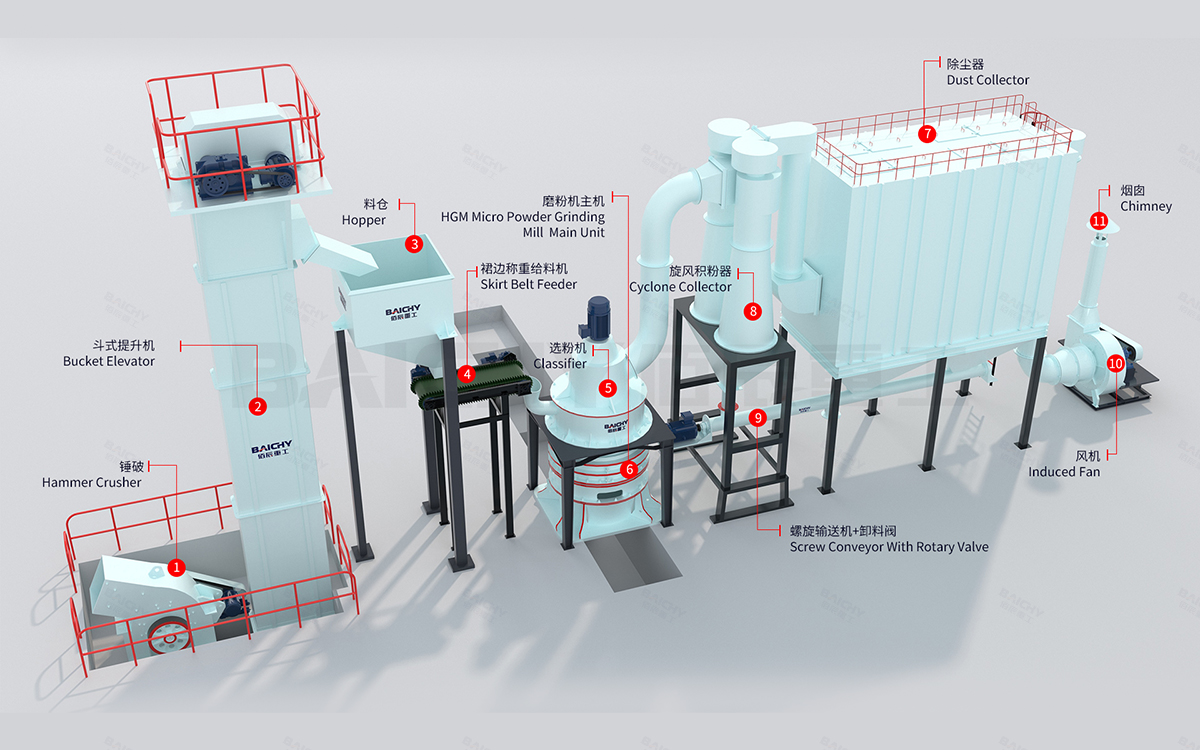
HGM Micro-powder Mill Production Line Process Flowchart
II. The Reality of 10 t/h Output: It Is Not Just About "A Single Mill"
2.1 Physical Limits of Single-Unit Capacity
The designed capacity of a single HGM series unit (e.g., the HGM125) for 400-mesh production typically ranges from 4 to 10 t/h, constrained by three factors: raw material hardness, moisture content, and target fineness. Achieving an output of 10 t/h at 400 mesh requires either selecting a top-tier model with ample capacity headroom or adopting a "parallel multi-unit + centralized feeding" layout. Any vendor attempting to hit the 10 t/h target by simply cranking up the rotational speed of a standard Raymond mill will inevitably sacrifice fineness stability and grinding roller lifespan—a common pitfall in selecting ultrafine grinding equipment. Although calcium carbonate has a Mohs hardness of only about 3—making it an easy-to-grind material—the phenomena of secondary particle breakage and agglomeration are significant during ultrafine grinding; consequently, classification efficiency directly determines the system's maximum production capacity.
2.2 Actual capacity must be based on tested material
Factors such as whether the raw material is heavy calcium carbonate (calcite) or light calcium carbonate, the level of impurities, and the uniformity of feed particle size can cause capacity fluctuations of 10–20%. For the same ultrafine grinding mill, the output difference between processing high-whiteness calcite (whiteness >95) and ore containing siliceous interlayers can be nearly 20%. Baichy’s standard practice involves the customer sending 5–10 kg of raw material samples for preliminary grinding analysis; actual test data is used to calculate the projected capacity and energy consumption per ton for the entire line before a technical agreement and capacity guarantee are signed. This "test-before-sign" process helps buyers avoid the common dispute of purchasing equipment that fails to meet its rated output.
2.3 System integration determines actual hourly output
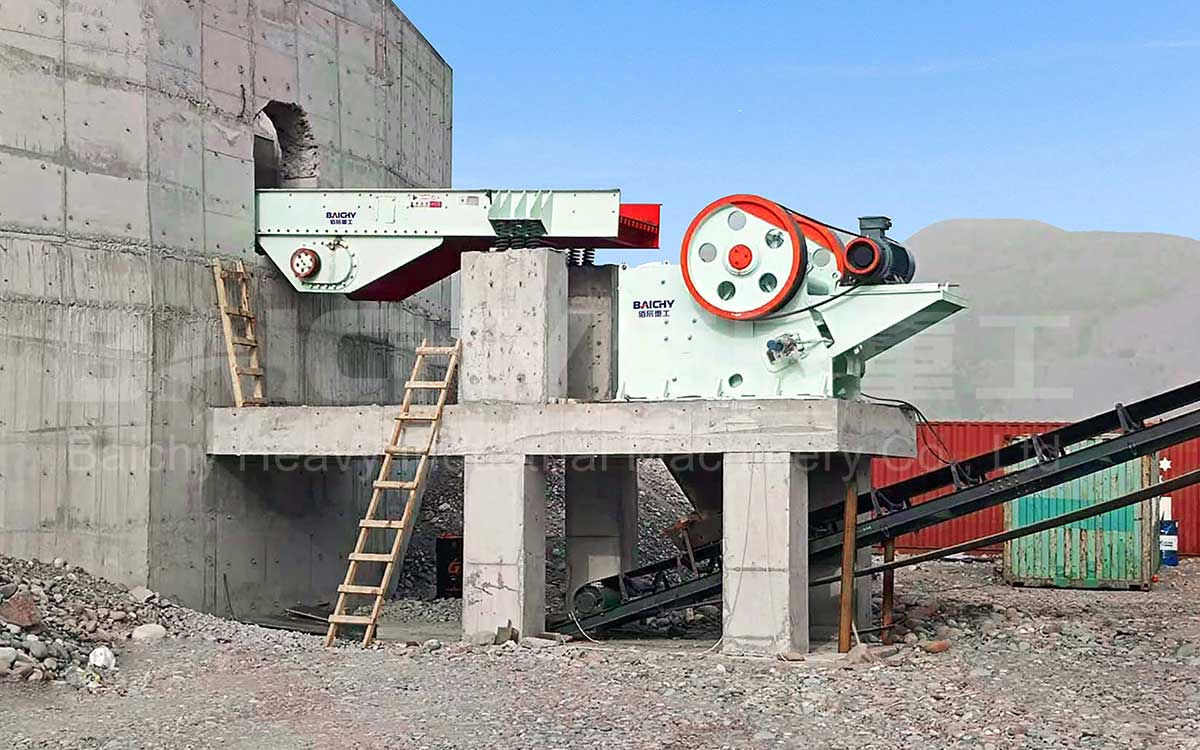
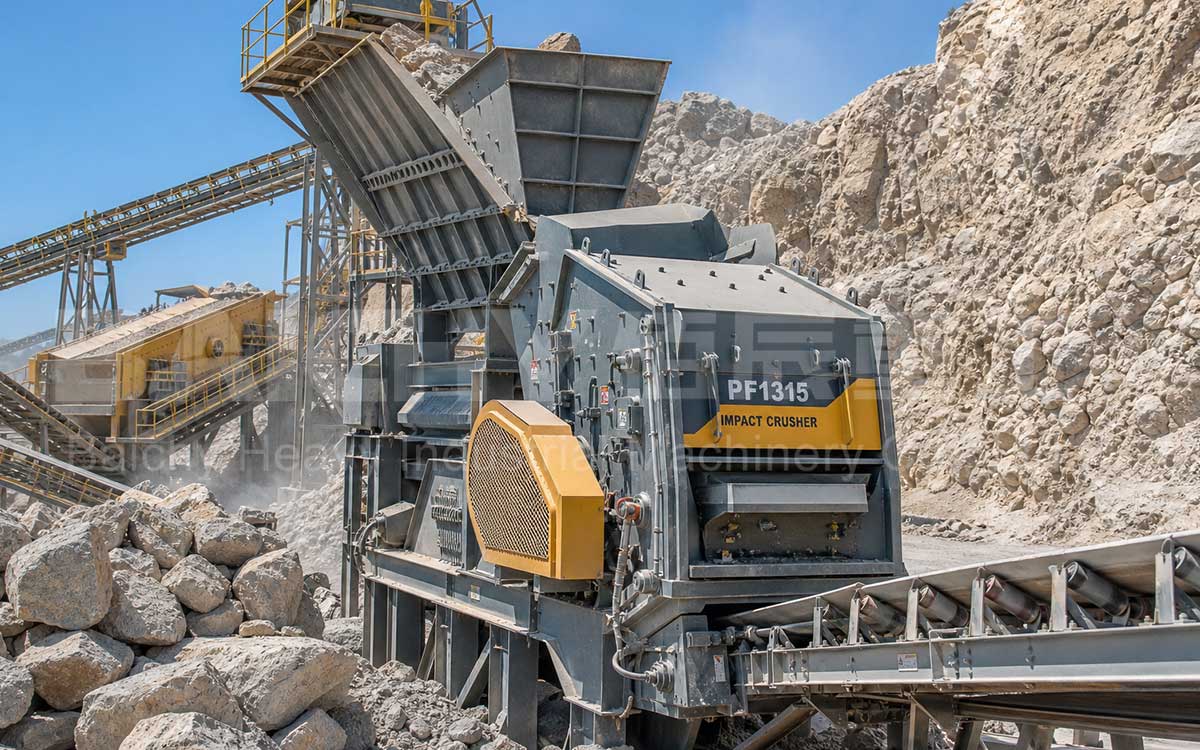
It is important to clearly understand that an hourly output of 10 tons refers to the stable discharge rate of the finished powder, not the mill's instantaneous discharge volume. A complete heavy calcium carbonate powder production line typically consists of a jaw crusher (primary crushing), bucket elevator/belt conveyor, buffer silo, ultrafine main mill, vortex classifier, pulse bag dust collector, finished product silo, and automatic packaging machine. If any single link becomes a bottleneck, the contracted capacity of 10 t/h cannot be achieved, regardless of how fast the upstream mill operates. This is why responsible equipment suppliers require a complete process flow chart before providing a quote for the entire production line.
III. Baichy HGM Calcium Carbonate Ultrafine Mill: Key Specifications (400-Mesh Configuration)
HGM125 Ultrafine Mill — Key Specifications
400 Mesh / D97 ≤ 38 μm| Parameter Item | HGM125 Ultrafine Mill (Recommended Choice) | Remarks |
|---|---|---|
| Design Capacity (400 mesh / D97 ≤ 38 μm) | 4–10 t/h | Depends on raw material hardness and impurity content; actual measured values prevail |
| Feed Particle Size | ≤ 25 mm | Larger lumps require a primary jaw crusher |
| Finished Product Fineness Range | 325–2500 mesh | Adjustable online via variable-frequency classifier |
| Main Unit Power | 132–160 kW | Energy-saving permanent magnet synchronous motor recommended |
| Classification Method | Built-in vortex classifier (closed-loop) | Directly determines D97 stability |
| Grinding Roller / Ring Material | High-chrome alloy / composite wear-resistant material | Service life for calcite processing significantly exceeds standard manganese steel |
| System Negative-Pressure Dust Removal | Pulse-jet bag filter | Dust emission ≤ 30 mg/Nm³ |
| Total Installed Power (incl. auxiliaries) | Approx. 230–280 kW | Includes fan, dust collector, and conveying equipment |
| Reference Power Consumption per Ton | 18–26 kWh/t | Based on actual measurements from similar calcite projects |
| System Footprint (main unit + classifier + dust collector) | Approx. 15 × 12 m | Excludes raw material and finished product silos |
IV. Four "Cost-Saving Cards": From Power Consumption to Maintenance
When evaluating calcium carbonate ultrafine mills, one must look beyond the price of the machine itself and consider the total cost per ton of powder (CAPEX + OPEX). The HGM series minimizes costs to the lower end of the range for similar models across the following four areas:
1. Power consumption per ton is the single largest cost component. A closed-loop classification system prevents over-grinding; when paired with a permanent magnet motor, actual electricity consumption per ton can be 8–15% lower than that of traditional models with the same capacity. Based on a throughput of 10 t/h and 6,000 operating hours per year, the annual savings on electricity costs can exceed 150,000 RMB—a figure not visible on the initial equipment quote but clearly reflected in the actual monthly electricity bills.
2. Grinding roller lifespan dictates the frequency of downtime. High-chrome composite grinding rollers significantly outperform standard manganese steel rollers in calcite processing applications, thereby reducing the frequency of shutdowns for roller replacement. Every time an ultrafine grinding mill stops, the loss includes not only maintenance man-hours but also the output of the entire production line; when these "hidden costs of downtime" are factored in, the price premium for wear-resistant parts is often recouped within just a few weeks.
3. Fineness yield equates to profit margin. A stable D97 value means fewer substandard products and less material requiring re-grinding; every 1% increase in the pass rate translates directly into pure profit. The closed-loop classification system keeps the proportion of oversized particles consistently low during 400-mesh processing, ensuring excellent batch-to-batch consistency and driving higher customer repeat-purchase rates.
4. Maintenance labor can be standardized. The modular design allows a single operator to handle daily maintenance, eliminating the need for a dedicated maintenance team; clear inventory lists for wear parts and short procurement lead times for spares are features particularly valued by overseas customers.
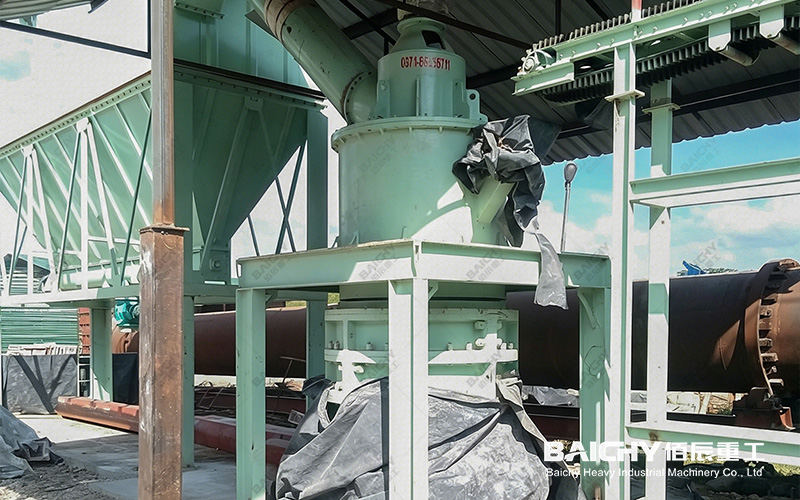
HGM Micro-powder Mill: Customer Site in Kenya
V. Calcium Carbonate Ultrafine Mill vs. Raymond Mill vs. Ball Mill: How to Choose
Many clients hesitate between these three options; let’s clarify the distinctions before discussing pricing:
| Comparison Criteria | Raymond Mill | Ball Mill | HGM Ultrafine Calcium Carbonate Mill |
|---|---|---|---|
| Economical Fineness Range | 80–325 mesh | 80–600 mesh | 325–2500 mesh |
| 400-mesh Classification Precision | Poor; prone to simultaneous over-grinding and under-grinding | Average; requires an external classifier | Good; features a built-in closed-loop vortex classifier |
| Electricity Consumption per Ton (400 mesh) | High | Medium-High | Low |
| Footprint | Small | Large | Medium |
| Suitable Applications | Conventional grinding below 325 mesh | Large-scale coarse/medium grinding or wet grinding | Functional-grade powders (400 mesh and above) |
The conclusion is clear: If your product consistently targets 400 mesh or finer, the ultrafine calcium carbonate mill is the superior choice; if the focus is on bulk powder below 325 mesh, the Raymond mill offers lower overall costs. These machines are complementary rather than simple substitutes. When planning an ultrafine ground calcium carbonate (GCC) project, it is recommended to base your cost-per-ton calculations on the HGM series rather than making direct comparisons with Raymond mill quotes.
VI. 5 Variables to Confirm Before Selection (A Checklist to Avoid Pitfalls)
Specification of target fineness: Ensure agreements are signed based on D97 values or "dual indicators (D50 + D97)" rather than just "mesh size." Acceptance testing methods (brand of laser particle size analyzer and standards) should also be agreed upon in advance.
Actual raw material conditions: Is it calcite or marble offcuts? Is the feed moisture content above 1%? Is the impurity level high? These factors directly determine production capacity, classifier selection, and whether pre-drying is required.
Power and climate conditions: Check if the local voltage/frequency (e.g., 380V/50Hz, 440V/60Hz, or 60Hz in Latin America) matches the motor specifications; Baichy offers customized motors and electrical control systems to suit local power grids. For high-altitude or high-humidity regions, airflow correction factors for the fan must also be calculated. Powder Application and Particle Size Distribution: Will the powder be used as a coating filler or for plastic masterbatches? Downstream requirements for particle size distribution width (PDF curves) vary, necessitating adjustments to the classifier rotor speed calibration; these parameters should be tested during the sample trial phase.
Environmental Compliance and Acceptance Standards: Local dust emission standards dictate the required grade of dust collector. Do not wait until the environmental acceptance inspection to retrofit a bag-type dust collector—the cost of retrofitting is far higher than implementing the correct solution from the start.
VII. Frequently Asked Questions (FAQ)
Q1: Is a single HGM125 unit sufficient for an ultrafine calcium carbonate grinding line with an hourly output of 10 tons and a fineness of 400 mesh?
A: It depends on the material. If the raw material is low-impurity calcite and the D97 is controlled at 38μm, the HGM125 operates at its maximum capacity of approximately 10 t/h—right at the critical limit. Long-term operation at full load would reduce the time available for maintenance. A more reliable engineering approach is to use an "HGM125 unit with design margin" or a "dual-unit parallel setup" to ensure no bottlenecks and consistent fineness throughout the year. Baichy will provide a single-unit or combined solution—along with a full-line quotation—based on your material analysis report.
Q2: What is the difference between an ultrafine calcium carbonate mill and a Raymond mill? Can they replace each other?
A: The core differences lie in the classification system and the fineness range. Raymond mills are suitable for the 80–325 mesh range; when pushed beyond 400 mesh, efficiency drops significantly, classification precision suffers, and issues like simultaneous over-grinding and under-grinding arise. In contrast, ultrafine calcium carbonate mills utilize a high-frequency vortex classification closed-loop system, allowing for online adjustment between 325 and 2500 mesh, strict D97 control, and superior batch consistency. If the product consistently requires 400 mesh or finer, the ultrafine mill is the superior choice; if the focus is on bulk powder below 325 mesh, the Raymond mill offers lower costs. The two are complementary rather than interchangeable; equipment selection should be based on target fineness and a cost-per-ton analysis.
Q3: What is the approximate payback period for this equipment?
A: Based on a capacity of 10 t/h, 6,000 annual operating hours, and local ex-factory prices and processing margins for 400-mesh heavy calcium carbonate powder, the static payback period for a typical project is approximately 12–24 months. Key variables include the local selling price of the powder, electricity rates, and raw material costs. Baichy can provide a cost-per-ton analysis (covering CAPEX and OPEX) and a sensitivity analysis across three production levels to help you clarify the financials and finalize the plan before signing the contract.
Baichy Heavy Industry
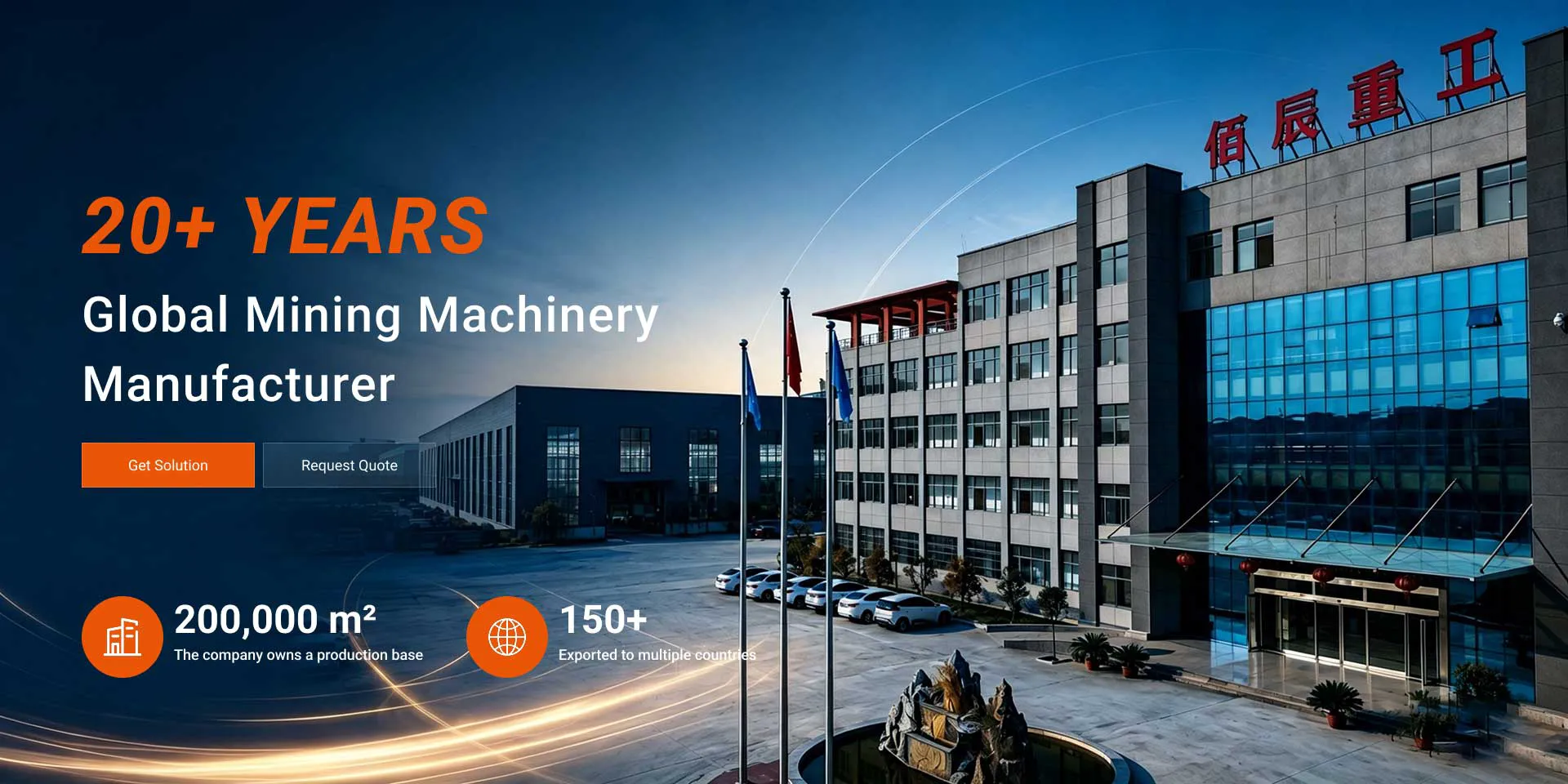
Baichy Heavy Industry is a high-tech mining equipment company integrating R&D, manufacturing, sales, and after-sales service. Focusing on crushing, grinding, and mineral processing equipment, we provide professional solutions to our customers. We are ISO9001:2015 、certified, and our products include mobile crushing palnts, crawler crushing plant, construction waste crushing plants, jaw crushers, sand making machines, cone crushers, fine crushers, grinding mills, ball mills, etc., all with reliable performance to meet diverse project needs.
Baichy Heavy Industry – Your Trusted Partner
To ensure optimal performance of your equipment, Baichy Heavy Industry offers:
- Professional on-site installation guidance
- Comprehensive operator training
- 24/7 technical support & maintenance services
Our complete after-sales service system guarantees long-term, stable operation of your machinery with minimal downtime.
Protect Your Rights – Only Use Official Channels
To avoid scams and ensure authentic support, contact us exclusively through:
• Official Website: www.baichychina.com
• WhatsApp: +8615093222637
• Email: [email protected]
Your satisfaction is our priority – expect prompt, professional service every time.
(Note: Beware of unauthorized third parties claiming to represent Baichy. Always verify through official contacts.)